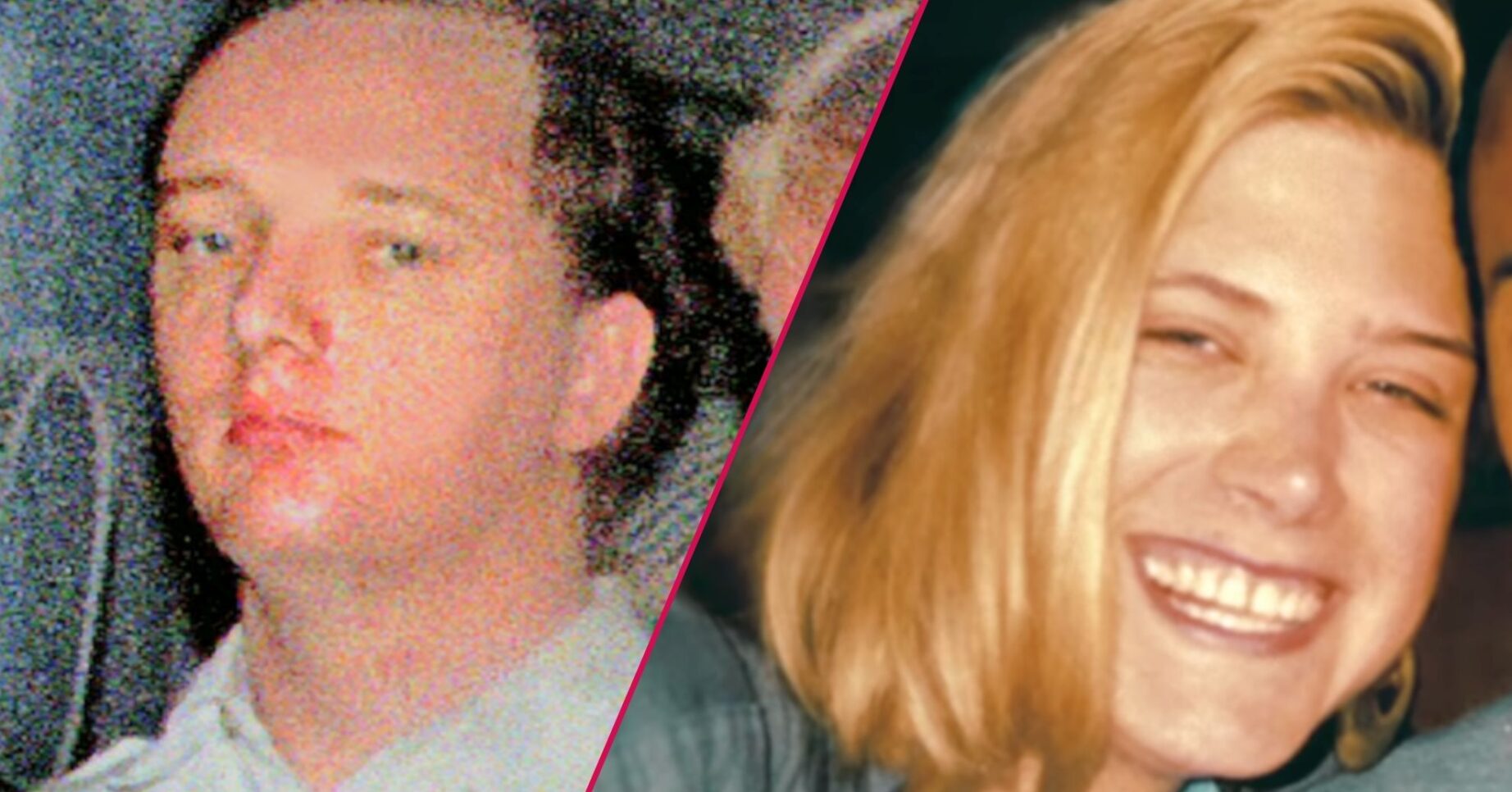

Robert Napper killed Rachel Nickell. Almost 35 years later, he remains locked up in the same high-security hospital that once housed Peter Sutcliffe and Britain’s “most violent prisoner”.
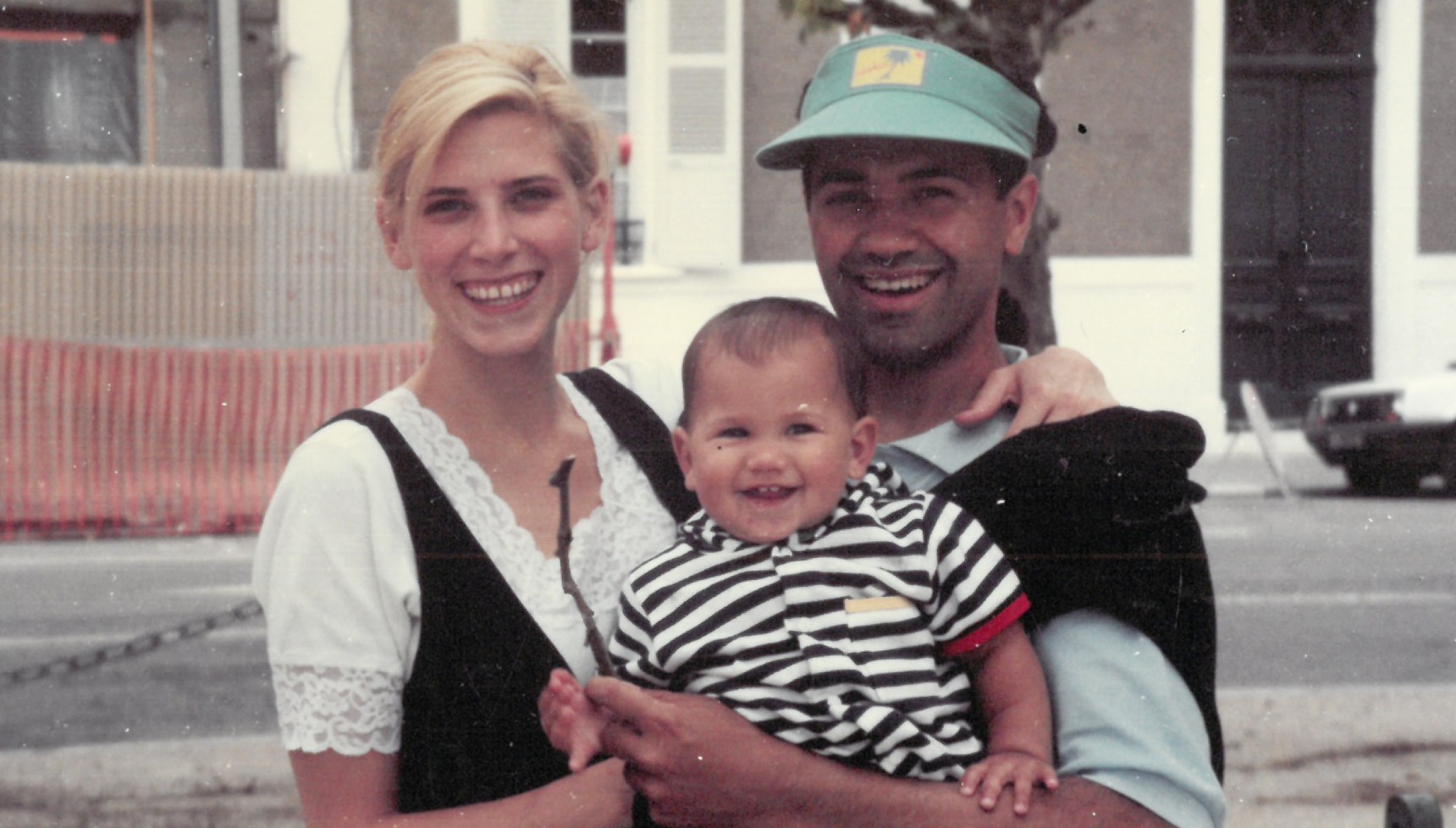
Nickell, a 23-year-old mother, was murdered in July 1992 while walking across Wimbledon Common with her two-year-old son, Alex. Napper stabbed and sexually assaulted her before leaving her to die. Alex was the only witness.
Police initially focused on another suspect: Colin Stagg, an innocent man who became caught up in a notorious undercover “honeytrap” operation. When that case collapsed in court, investigators were forced back to square one.
Eventually, as The Murder of Rachel Nickell on Netflix reveals, they identified the real killer. However, Napper was already behind bars.
Who is Robert Napper?
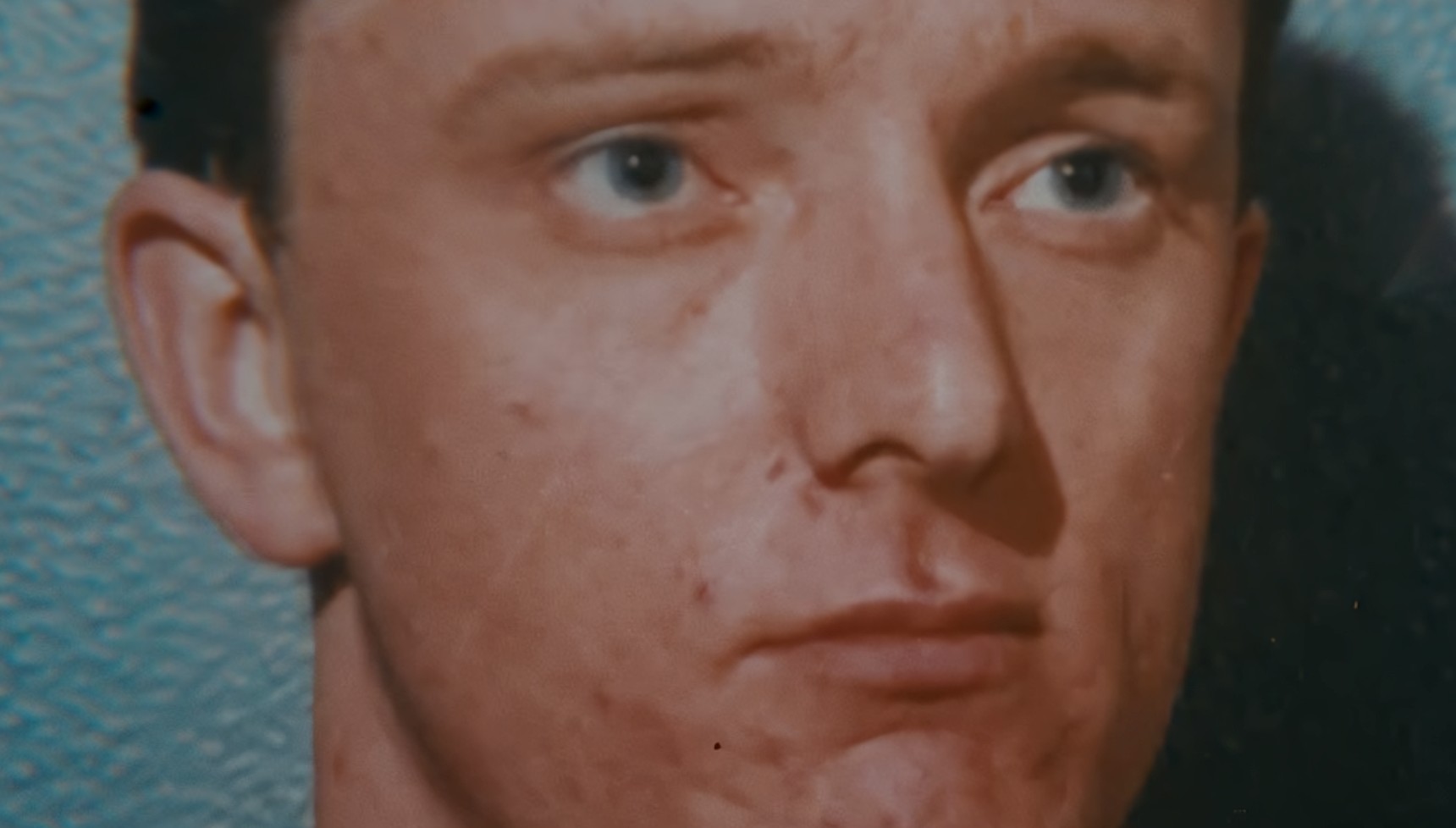
Robert Napper is a convicted serial killer and rapist. He has been convicted of two murders, one manslaughter, two rapes and two attempted rapes, although he has long been suspected of carrying out more attacks.
Now aged 60, Napper was born in Erith, southeast London. His childhood was marked by instability, with his parents’ relationship frequently described as abusive and violent.
When his parents divorced, Napper and his siblings entered foster care. He later received psychiatric treatment for six years as a result of trauma linked to his upbringing.
According to The Guardian, Napper was sexually assaulted by a family friend at the age of 12 while on a camping trip.
The experience reportedly left him withdrawn, reclusive and isolated from his peers.
How was Robert Napper caught?
Despite briefly being considered a suspect in Rachel Nickell’s murder, Napper was not charged until 2007, 15 years after her death.
In the immediate aftermath of the killing, investigators struggled to recover useful forensic evidence from the scene. However, forensic scientist Dr Angela Gallop believed something was missing.
“There should have been an enormous amount of Rachel’s own DNA in these tapings,” she explains in the documentary.
Gallop and her team eventually discovered a tiny trace of male DNA. Advances in forensic science allowed them to amplify the sample and build a profile.
Crucially, it did not match Colin Stagg. Instead, it pointed investigators towards Napper.
He was charged in November 2007 and, two months later, pleaded guilty to manslaughter on the grounds of diminished responsibility.
The judge described him as a “very dangerous man”, but sentencing reflected the plea.
Napper also instructed his lawyer, David Fisher QC, to apologise to Rachel Nickell’s family and Colin Stagg.
“At the time of these events, the arrest and the preliminary trial of that man, this defendant was not in a satisfactory mental state to really appreciate what was going on. He is now. He realises how dreadful that period of time in Mr Stagg’s life must have been,” Fisher told the court.
‘We could have prevented Nickell’s death’
Following Napper’s sentencing, fresh scrutiny fell on earlier opportunities police had missed.
In 1989, Napper’s mother Pauline contacted police after he admitted raping a woman on Plumstead Common.
Officers were unable to connect her claims to an existing investigation at the time and no further action was taken.
It proved to be a devastating missed opportunity. Combined with detectives’ decision to eliminate him from enquiries into the Green Chain Walk rapes, it allowed Napper to remain free.
“More could and should have been done,” former Met Police assistant commissioner John Yates later admitted.
“Had more been done, we would have been in a position to have prevented [the Nickell killing] and other attacks by Napper. I particularly refer to the dreadful murders of Samantha and Jazmine Bissett in November 1993.”
Nickell’s family received no compensation despite the failings.
Who else did Robert Napper kill?
Napper was also convicted of murdering Samantha Bisset, 27, and her four-year-old daughter Jazmine.
Rachel Nickell was killed in July 1992. Just 16 months later, Napper entered Bisset’s home in Plumstead, murdered her and then sexually assaulted and smothered her daughter.
According to The Independent, the crime scene was so disturbing that the police photographer involved took two years off work afterwards.
Investigators recovered Napper’s fingerprint from the scene, leading to his arrest and conviction.
By the time police linked him to Rachel Nickell’s murder, he had already been detained at Broadmoor.
Between 1990 and 1994, a string of attacks took place around southeast London’s Green Chain Walk.
Whether Napper was responsible for all of them remains unclear, but during proceedings relating to the Nickell case he admitted carrying out attacks on four other women.

Where is Robert Napper now?
Robert Napper remains detained at Broadmoor Hospital in Crowthorne, Berkshire, where he is being held indefinitely.
During sentencing, the court was told it was “highly unlikely” he would ever be released.
Dr Natalie Pyszora, a psychiatrist at Broadmoor, said: “The possibility of release is highly unlikely. I could not envisage that happening.”
Founded in 1863, Broadmoor was originally known as a criminal lunatic asylum and has housed some of Britain’s most infamous offenders.
Peter Sutcliffe, better known as the Yorkshire Ripper, spent 32 years there after being diagnosed with paranoid schizophrenia.
Ronnie Kray was also transferred to Broadmoor after being declared insane. He died there in 1995.
Charles Salvador, formerly known as Charles Bronson and often described as Britain’s most violent prisoner, also spent time at Broadmoor before being transferred back to prison.
Other former and current patients have included David Copeland, responsible for the 1999 London nail bombings, and Michael Adebowale, one of the men convicted of murdering Lee Rigby.
Read more: New documentaries and true crime on TV and streaming this month
The Witness and The Murder of Rachel Nickell are available to stream on Netflix now.
Leave us a comment on our Facebook page @EntertainmentDailyFix and let us know what you think?