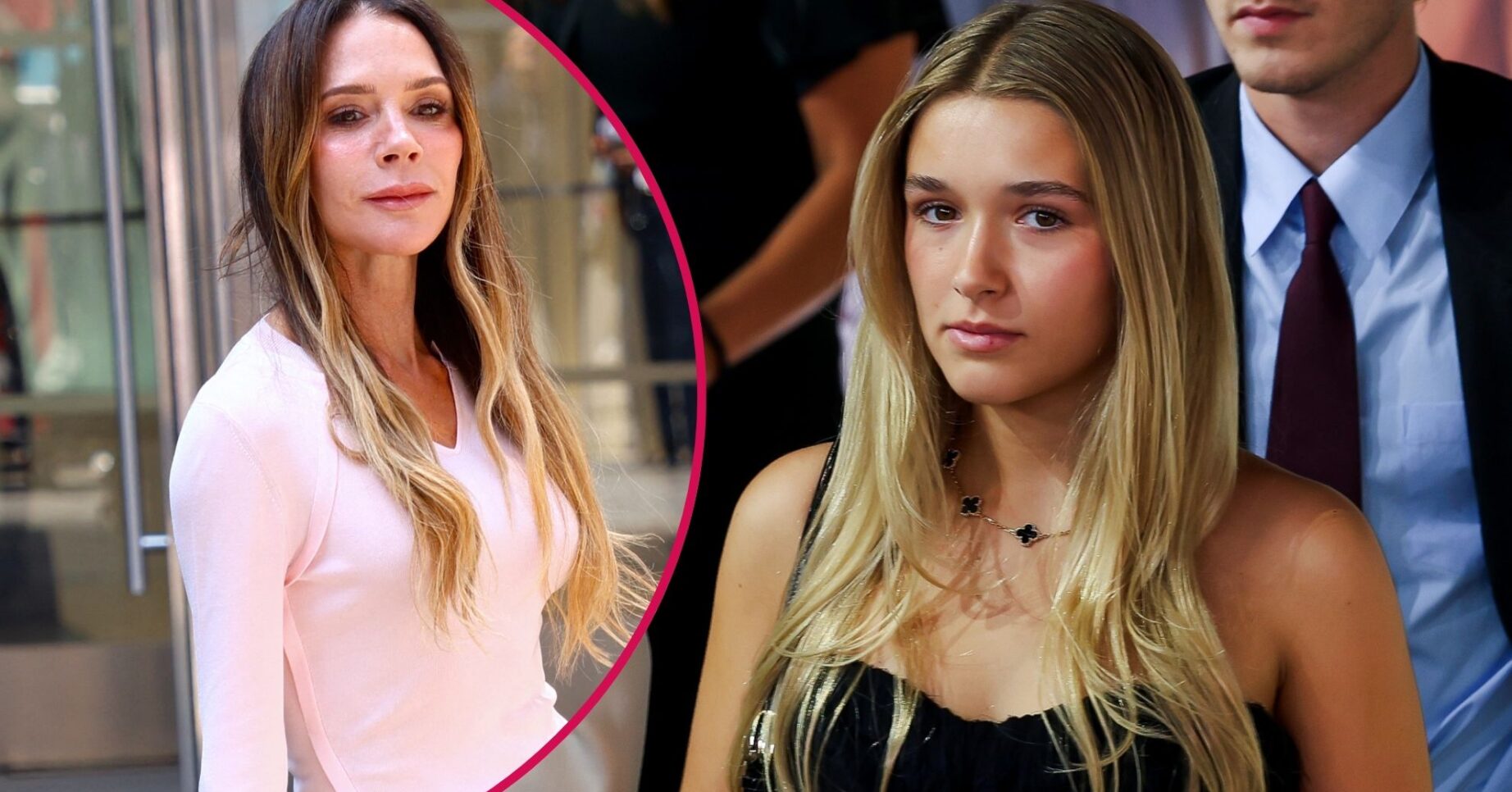

Harper Beckham’s beauty brand has reportedly been refused a US trademark ahead of its planned 2027 launch.
MailOnline reports that an existing Harlo trademark, held by a dietary supplements business, prompted the decision.
The setback concerns Harlo by Harper, the teenage skincare venture backed by David and Victoria Beckham. Victoria has reportedly invested more than $3million (£2.3million) in getting the brand off the ground.
However, the UK application has been approved by the government’s Intellectual Property Office, according to MailOnline.
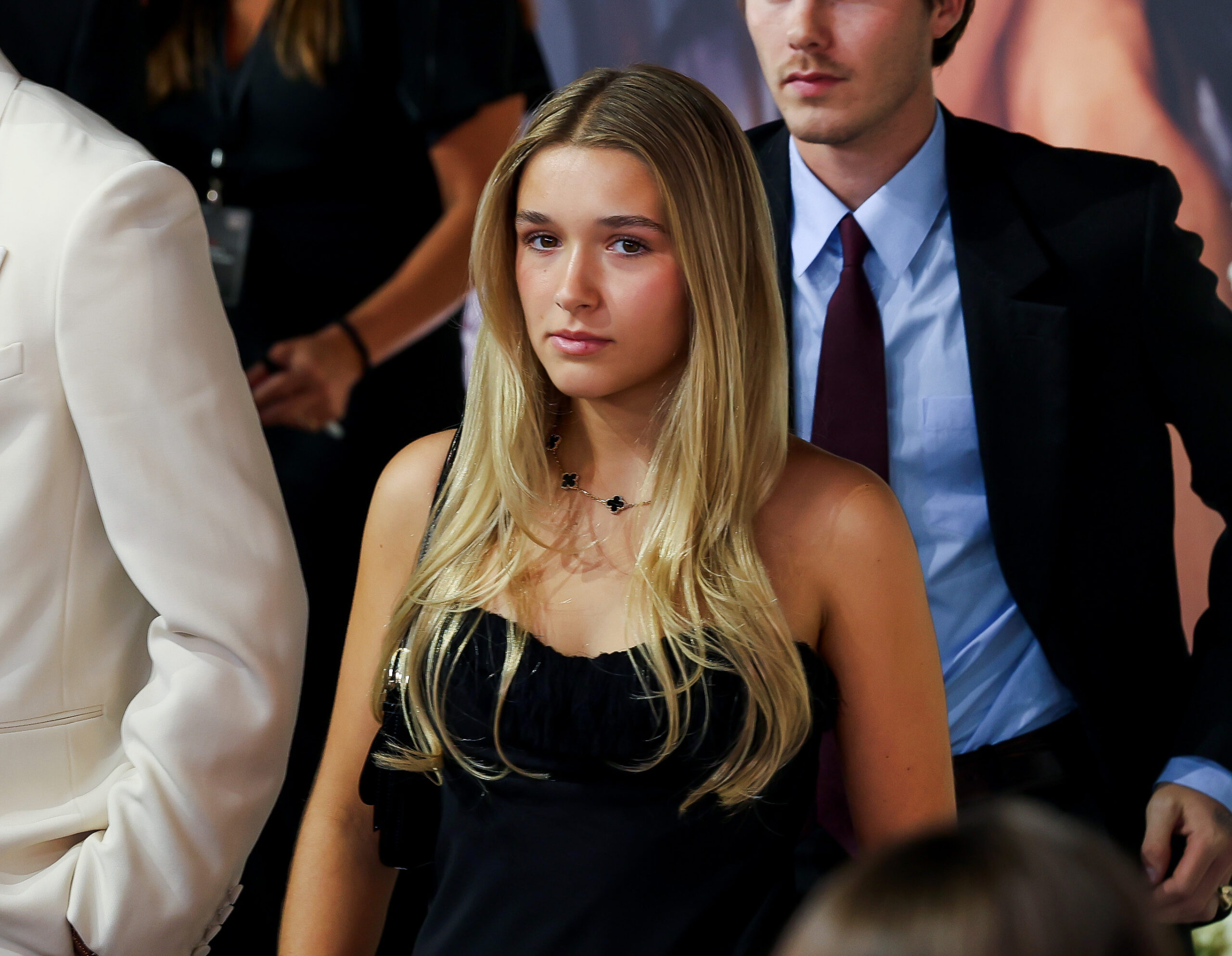
Harper Beckham’s beauty brand plans for 2027
The reported launch plans place the teenage skincare range in the second half of 2027. That would likely follow Harper’s GCSEs in May and June. She turns 16 in July.
MailOnline also reports that she has already completed her first photoshoot for the brand.
Victoria’s investment was revealed in the first accounts filed by H7B Ltd, MailOnline reports. She set up the company with Oliver Shipton, who works with her at Victoria Beckham Beauty.
H7B was established in October 2024, when Harper was 13. The company name draws on her full name, Harper Seven Beckham.
The trademark applications, meanwhile, were made by Project Seven US Inc, which is controlled by David and Victoria.
Victoria also discussed her daughter’s enthusiasm for make-up and skincare during a podcast appearance in May. She described enjoying their shopping trips for beauty products together.
The beauty entrepreneur has previously predicted a big future for her daughter in the industry.
ED! has contacted Victoria’s reps for comment.

Why Harlo by Harper faced a US trademark refusal
The US ruling centres on potential confusion between Harlo by Harper and the existing Harlo name.
The office considered the shared opening word particularly important when assessing how shoppers might remember the two brands. The additional words By Harper were not enough to distinguish the proposed trademark, the ruling said.
It also found the goods or services sufficiently related to create a risk of confusion about their source. That formed the basis for refusing registration under Section 2(d) of the Trademark Act.
However, the refusal does leave a route for the applicant to challenge that assessment. The ruling allows a response containing evidence and arguments in support of registration.
Read more: Katherine Ryan makes savage David Becham joke weeks after Victoria slur
What do you think of this story? Leave us a comment on our Facebook page @EntertainmentDailyFix and then let us know your thoughts!