
The BBC TV licence fee could be scrapped for millions of Brits, new potential plans have revealed.
The government is currently looking at ways for the Corporation to make more money going forward.
It’s important to us that you never miss our articles when searching for stories! We have all the latest TV & Celebrity news to share with our community of loyal readers.
Click here and tick Entertainmentdaily.com
BBC to scrap TV licence fee for millions and put shows behind a paywall?
Currently, Brits are paying £174.50 per year to watch shows on the BBC.
However, this could be set to change in the future.
Culture Secretary Lisa Nandy is currently looking at options to allow the Beeb make more money amid financial pressures.
One option that is reportedly being considered is putting classic shows behind a paywall. This would after they’ve spent a certain period as free-to-air.
The consultation says: “This approach would see all of the BBC’s content remaining universally available for a certain amount of time. The BBC could then monetise older content, such as its archive or content more than a year old on its public service platforms where it holds the necessary rights.”
BBC to begin allowing adverts?
Another proposal that has been put forward is for the BBC to start putting adverts on its channels.
At present, the only adverts that air on BBC channels are for BBC shows.
Allowing adverts on their channels could see the BBC earn a reported £700m.
It’s also been reported that a licence fee could be required to access online services.
“As we consider the future of the BBC’s funding model, we must consider how it will impact different household budgets,” the consultation then said.
It then cited models such as Germany. In Germany, “concessions are available to individuals who receive social benefits and to some students and people undertaking vocational training”.
Taking away free TV licences from people over the age of 75 has already been ruled out.
‘We want the BBC to continue to enrich people’s lives’
Lisa Nandy has said: “We want the BBC to continue to enrich people’s lives, tell Britain’s story and showcase our values and culture at home and overseas, long into the future.
“My aims for the Charter Review are clear. The BBC must remain fiercely independent, accountable and be able to command public trust. It must reflect the whole of the UK, remain an engine for economic growth and be funded in a way that is sustainable and fair for audiences. As a government, we will ensure that this Charter Review is the catalyst that helps the BBC adapt to a rapidly changing media landscape and secures its role at the heart of national life.”
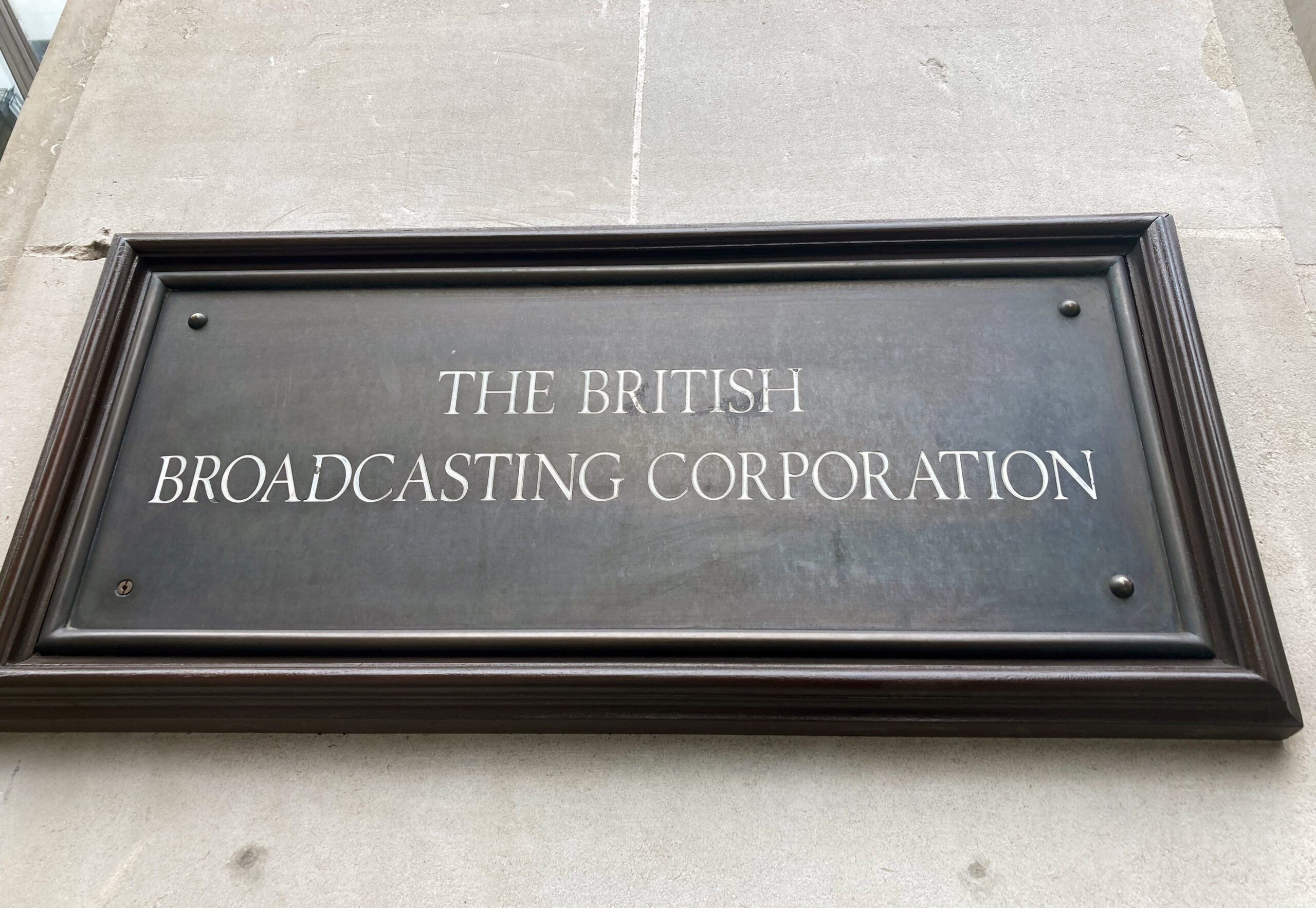
Tim Davie, the Director General of the BBC, then issued a statement.
“We welcome the publication of the Government’s Green Paper and the start of the public consultation on the future of the BBC. We urge everyone who cares about the success of the UK’s world-leading creative industries to have their say.
“At the BBC, we want change, so we can continue to deliver for the UK for generations to come,” he then said. “We want to secure a public service BBC that is independent, sustainably funded for the long term, and meets our audience’s needs,” he then added.
The current BBC charter ends in December 2027.
Read more: Strictly Come Dancing final songs, dances and BBC schedule time this weekend
Leave us a comment on our Facebook page @EntertainmentDailyFix and then let us know what you think of this story.