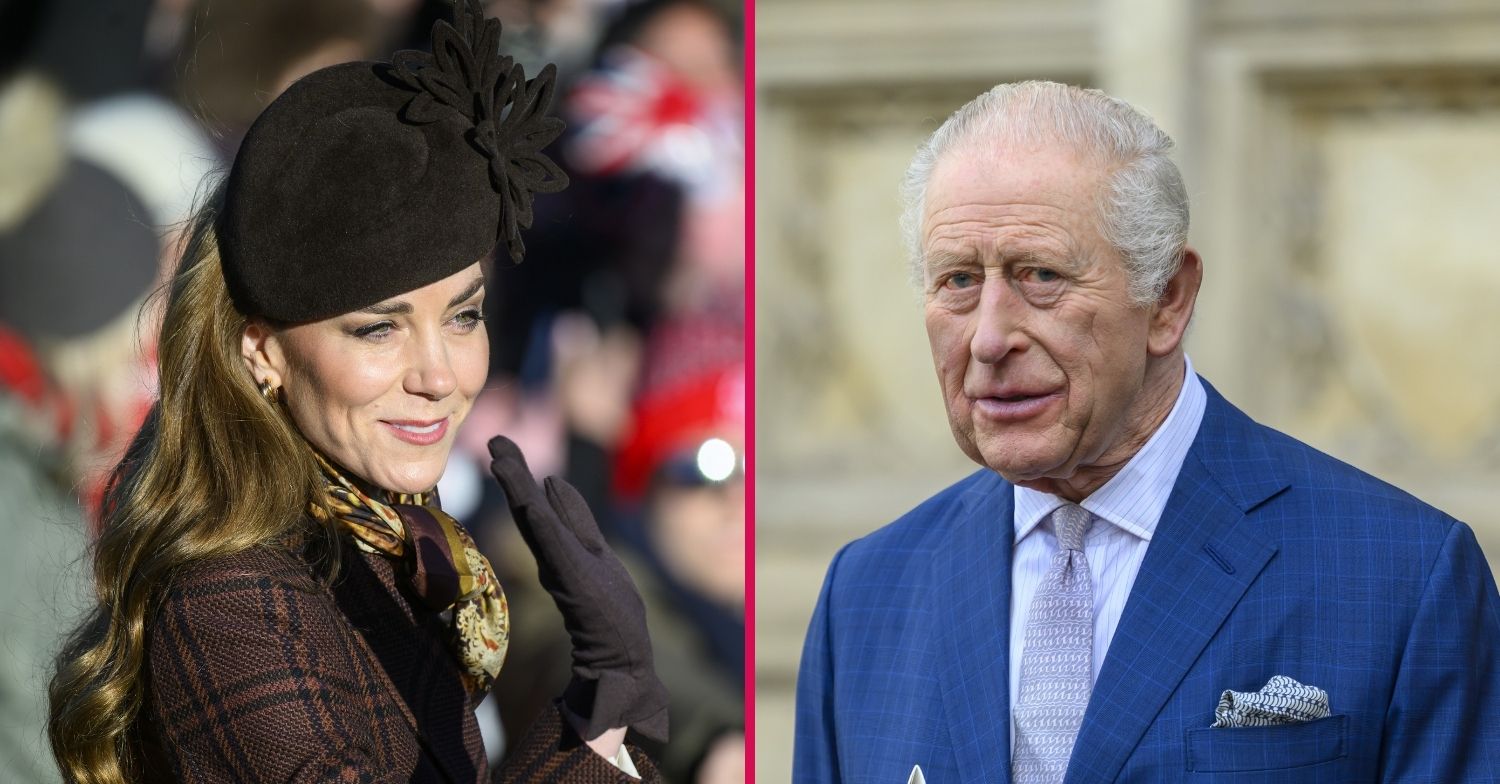

Princess Kate Middleton and King Charles share a powerful connection through cancer, but it is not rooted in their own recent diagnoses. Instead, it stems from a long-standing family link dating back more than a century.
Both royals underwent treatment for cancer after being diagnosed in early 2024. Kate revealed in March that she had been diagnosed following planned abdominal surgery earlier in the year. Meanwhile, King Charles confirmed in February that he was receiving treatment after undergoing a procedure for an enlarged prostate. The palace later clarified his diagnosis was not prostate cancer.
While the royal family has traditionally kept health matters private, both Charles and Kate choosing to speak openly about their experiences marked a significant shift. Their shared connection to cancer awareness, however, stretches back far further than their own battles.
It’s important to us that you never miss our articles when searching for stories! We have all the latest TV & Celebrity news to share with our community of loyal readers.
Click here and tick Entertainmentdaily.com
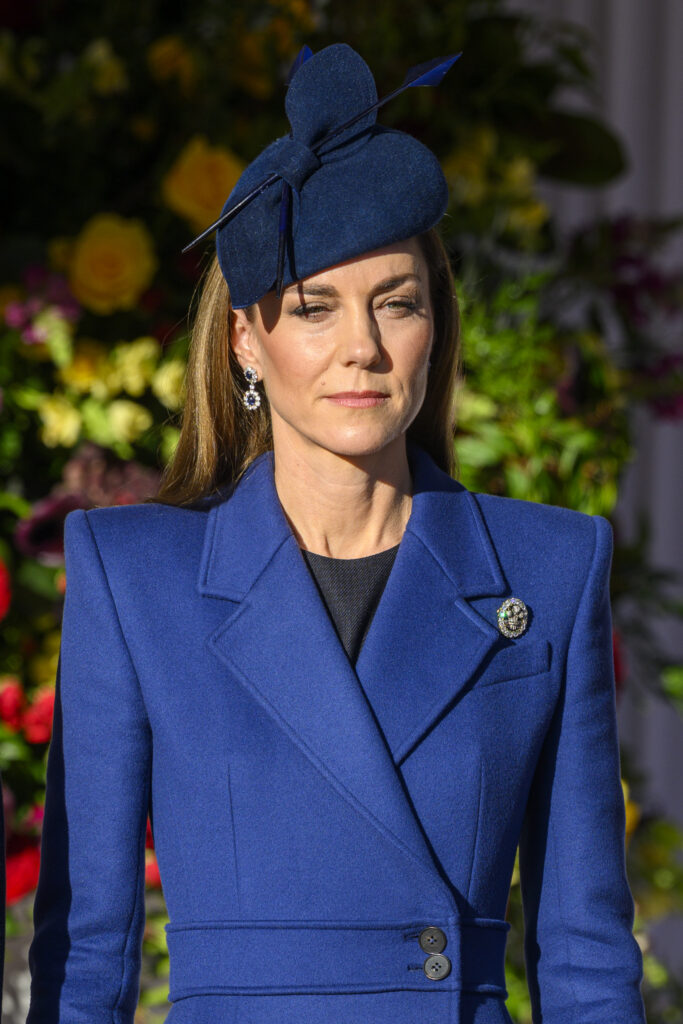
(Credit: Cover Images)
Princess Kate Middleton shares family link in cancer fight with King Charles
According to reports, relatives of both royals were involved in campaigning to find a cure for cancer 100 years ago.
In 1925, ancestors of Kate and Charles were founding members of the British Empire Cancer Campaign’s Yorkshire council, at a time when scientists were said to have shown little interest in tackling the disease. Their families, however, believed action was essential.
The Yorkshire council later evolved into Yorkshire Cancer Research, which recently marked its 100th anniversary. The milestone was celebrated at Castle Howard and commemorated with the release of a special book highlighting its history and royal links.
Charles’ great-uncle, Viscount Lascelles, the sixth Earl of Harewood, served as the charity’s first president. Kate’s great-great-great-uncle, Sir Charles Lupton, was appointed its first vice-president.
The family connection was uncovered by Australian historian Michael Reed, who identified the link while researching the royal family trees.
He told The Telegraph: “I felt it was very poignant that although the princess and King Charles’s [family members] were both aristocratic men, they chose to get their hands dirty doing really tough campaigning for a disease which, in 1925, perplexed most leading scientists, who therefore had little interest in finding a solution.”
He added: “I was moved to learn that [Lupton] had considered himself at age 70 too old to be Viscount Lascelles’s first vice-president, but still agreed to lead this charity because he felt so strongly that a cure for cancer was desperately needed.”
Reed believes it is unlikely that either Kate or the King were previously aware of the shared family involvement.
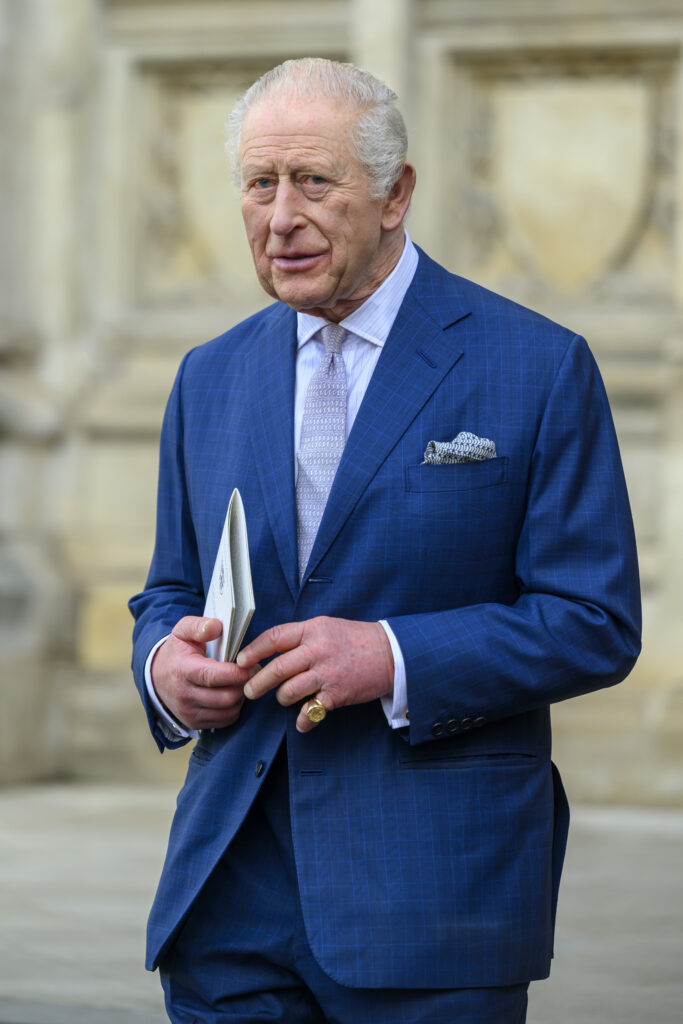
Kate’s family history
Viscount Lascelles later married Princess Mary, sister of Edward VIII and George VI. After building a reputation in the military, he inherited his title and dedicated much of his life to charitable causes across Yorkshire. Princess Mary herself went on to become president of the council, a role she held until her death in 1965.
On Kate’s side of the family, Sir Charles Lupton was the brother of her great-great-grandfather, Francis Lupton. A solicitor based in Leeds, he remained vice-president of the charity until his death in 1935.
During the charity’s centenary celebrations, Lupton was described as an “outstanding man among men”. He was praised as being “full of old-world courtesy and consideration, quiet, unassuming, sincere, with a direct simplicity which could not be resisted”.
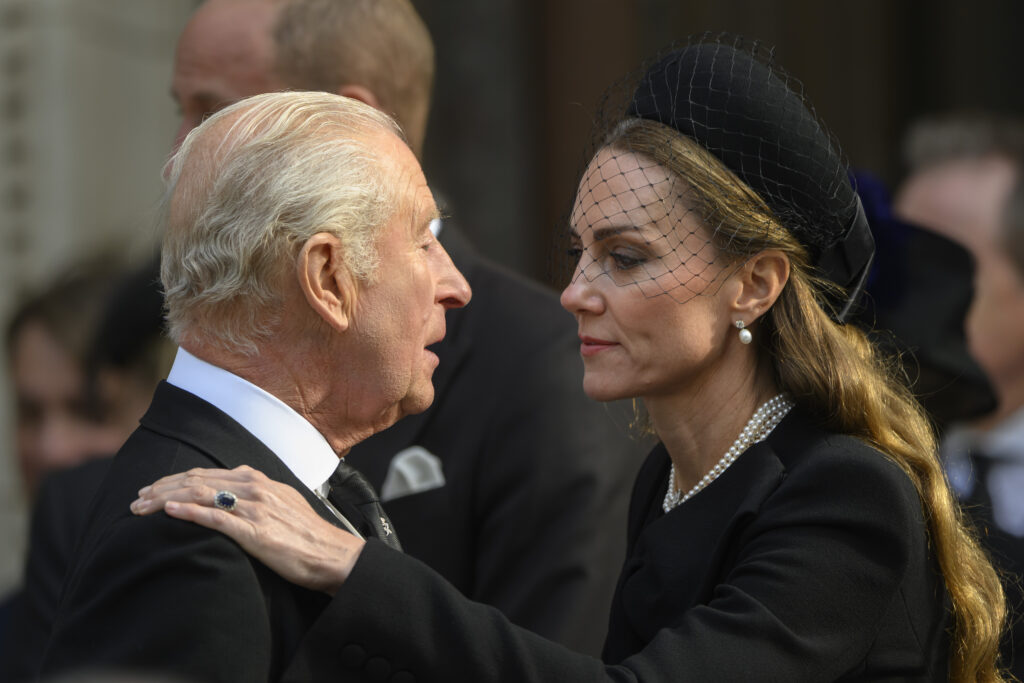
Kate and Charles’ cancer fights so far
A century on, both Princess Kate Middleton and King Charles are continuing that legacy by raising awareness around cancer.
Charles has spoken publicly about his diagnosis in an effort to encourage early detection and remains patron of Cancer Research UK and Macmillan Cancer Support. Kate, alongside Prince William, is joint patron of the Royal Marsden NHS Foundation Trust.
In December, the King shared what he described as “good news” about his condition. Speaking in a recorded message for Channel 4’s Stand Up To Cancer campaign, he revealed that his treatment would be reduced.
He said that early diagnosis and “effective intervention” had played a key role, adding: “This milestone is both a personal blessing and a testimony to the remarkable advances that have been made in cancer care.”
Although his exact diagnosis has never been publicly confirmed, Buckingham Palace reiterated it was not prostate cancer. The King has not been described as being in remission.
Kate, meanwhile, announced in September 2024 that her treatment had ended. By January 2025, she confirmed that she was in remission.
Read more: Why Prince William and Kate Middleton’s Adelaide Cottage home was ‘place of suffering’
Leave us a comment on our Facebook page @EntertainmentDailyFix and let us know your thoughts!