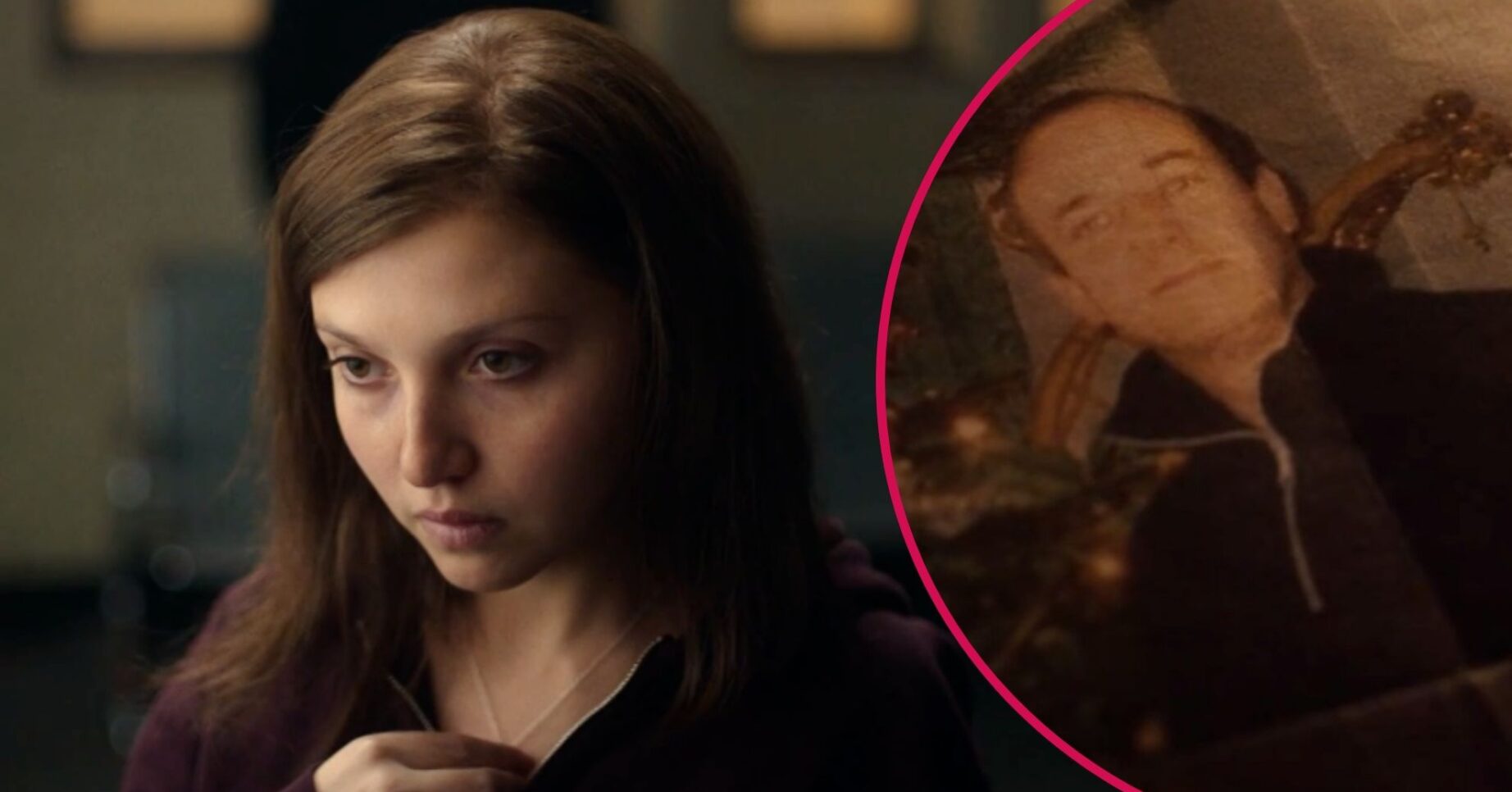

The ending of The Lady, ITV’s drama about Jane Andrews, is inevitable – but there are a few details that may leave you with questions.
By episode 4, Andrews (played by Mia McKenna-Bruce) is spiralling. Tom Cressman is dead. She’s driving aimlessly around the country, ignoring pleas from friends, family, and even Sarah Ferguson (Natalie Dormer) to turn herself in.
The finale follows her arrest and trial – closely mirroring real life. But from her allegations against Cressman to the mysterious “King of the Wing”, here’s what it all means.
It’s important to us that you never miss our articles when searching for stories! We have all the latest TV & Celebrity news to share with our community of loyal readers.
Click here and tick Entertainmentdaily.com
How does The Lady end?
The Lady ends with Andrews sentenced to life imprisonment for Cressman’s murder.
After police find her in a lay-by – having overdosed on painkillers – the episode moves into the trial. She’s interrogated by DCI Keith Douglas (Philip Glenister) and later gives evidence in court.
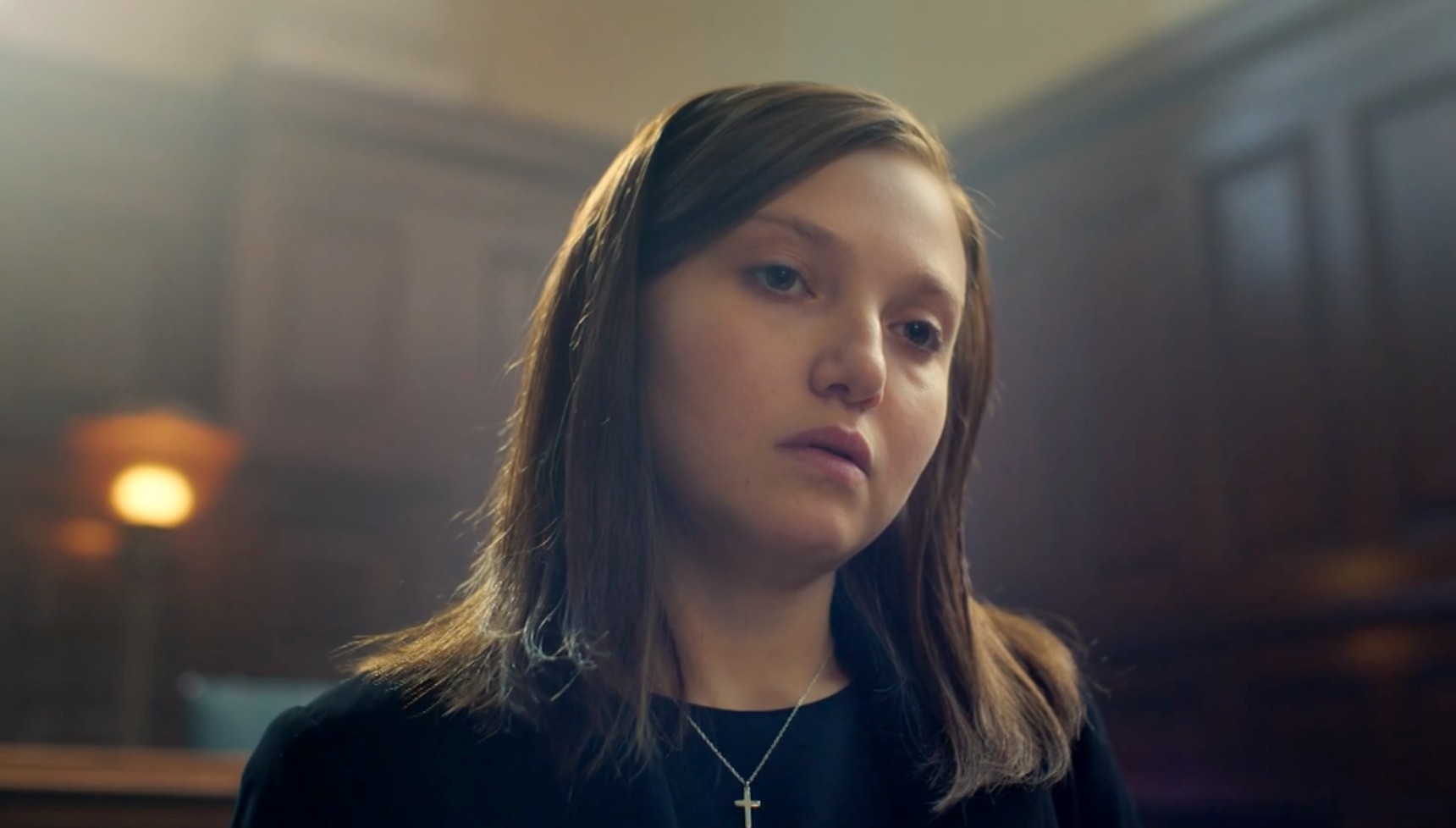
In the drama, Andrews claims she acted in self-defence. She says Cressman became violent, that she tried to fend him off with a cricket bat, and that she picked up a knife during a struggle. She insists she didn’t realise he had died when she left the house.
The prosecution disagrees, and the jury finds her guilty.
“In killing the man you loved, you ended his life and ruined your own… there is only one sentence I can place upon you, and that is life imprisonment.”
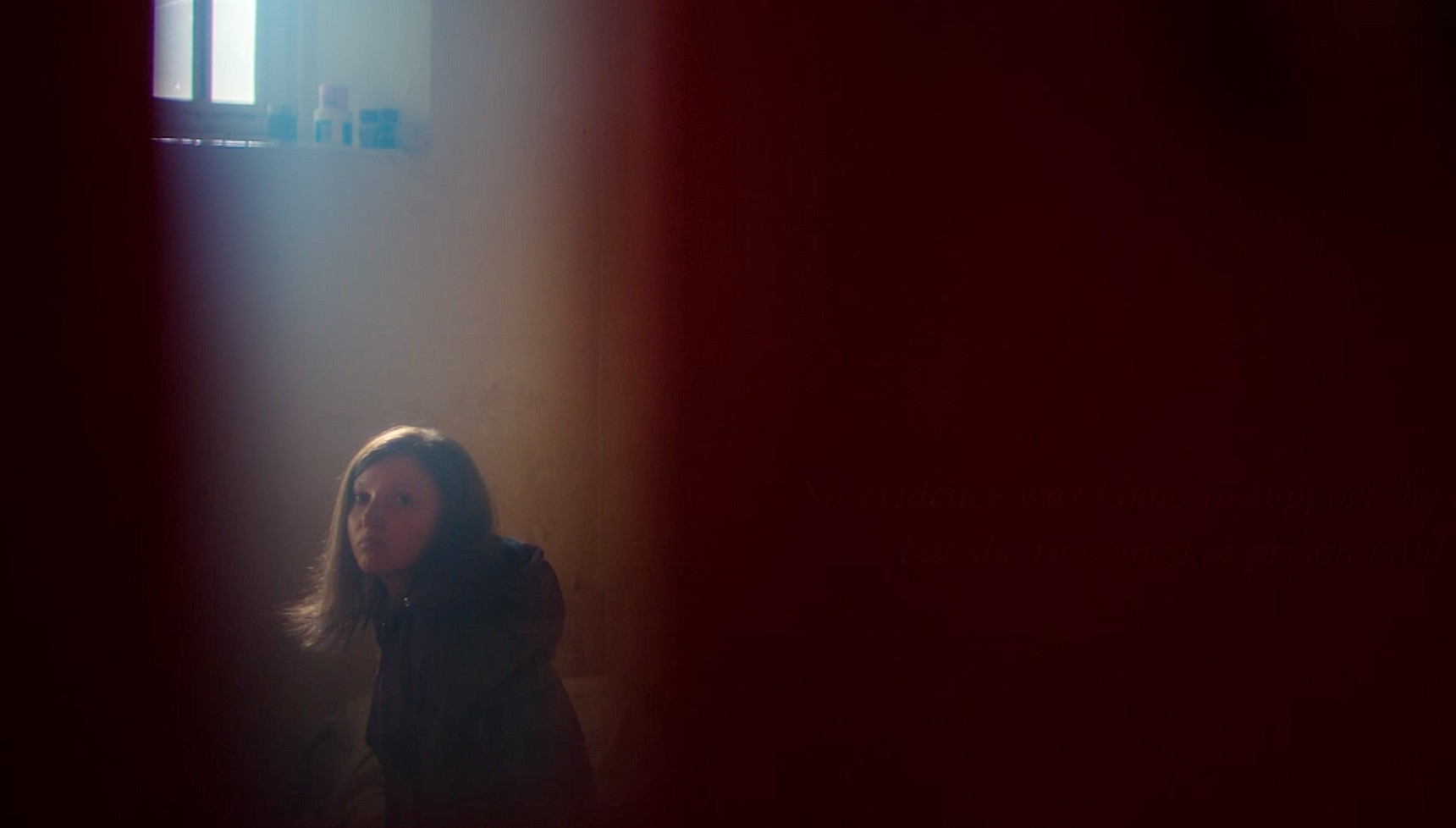
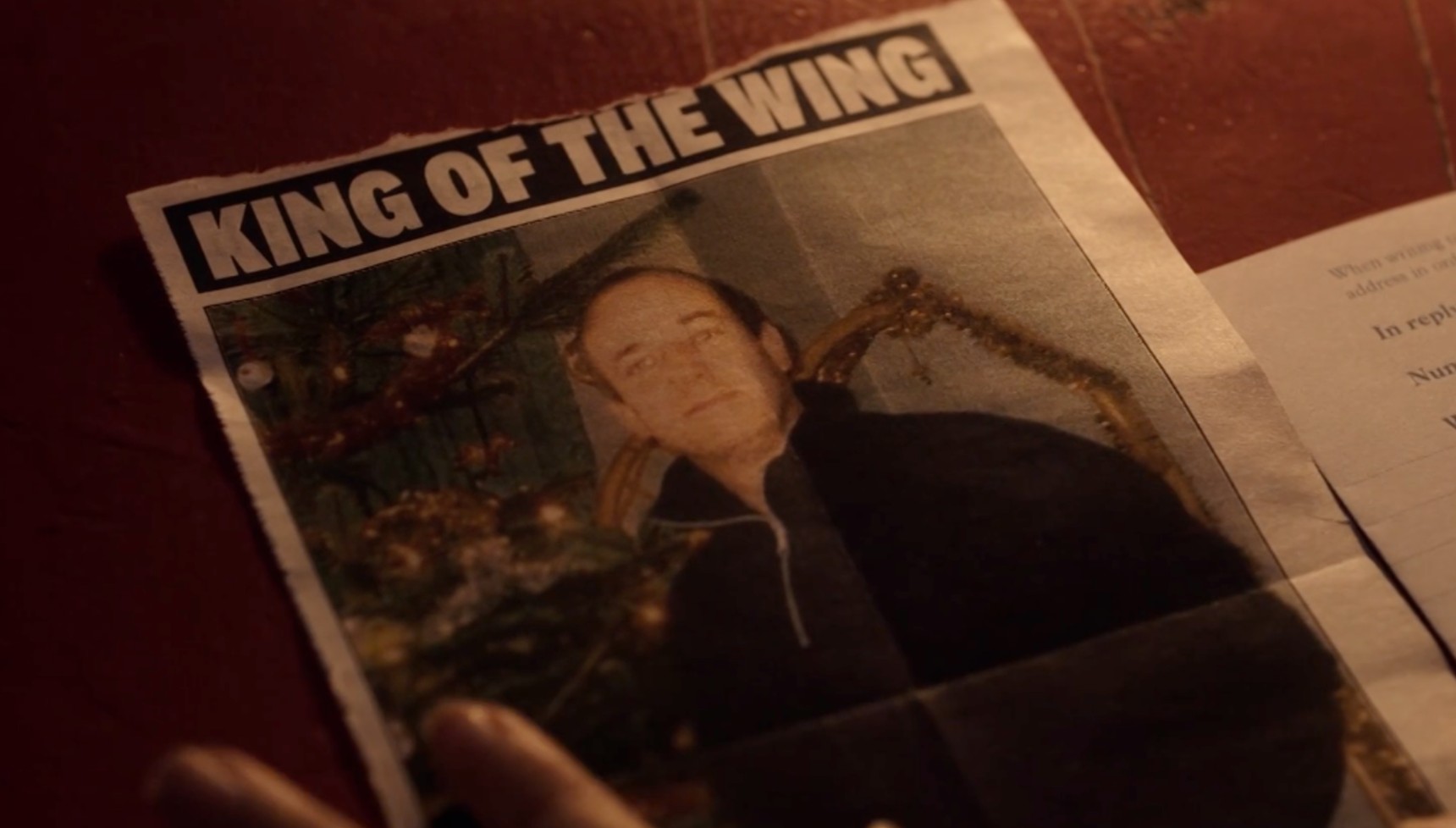
The final scenes show her arriving at “HM Holcombe Prison”, speaking with a psychotherapist, and writing to someone referred to as the “King of the Wing”.
Text on screen explains that she appealed her conviction on psychiatric grounds (unsuccessfully), was released on licence in 2015, recalled to prison in 2018 over harassment allegations that were not proven, and released again in 2019.
Did Fergie really contact Andrews after the murder?
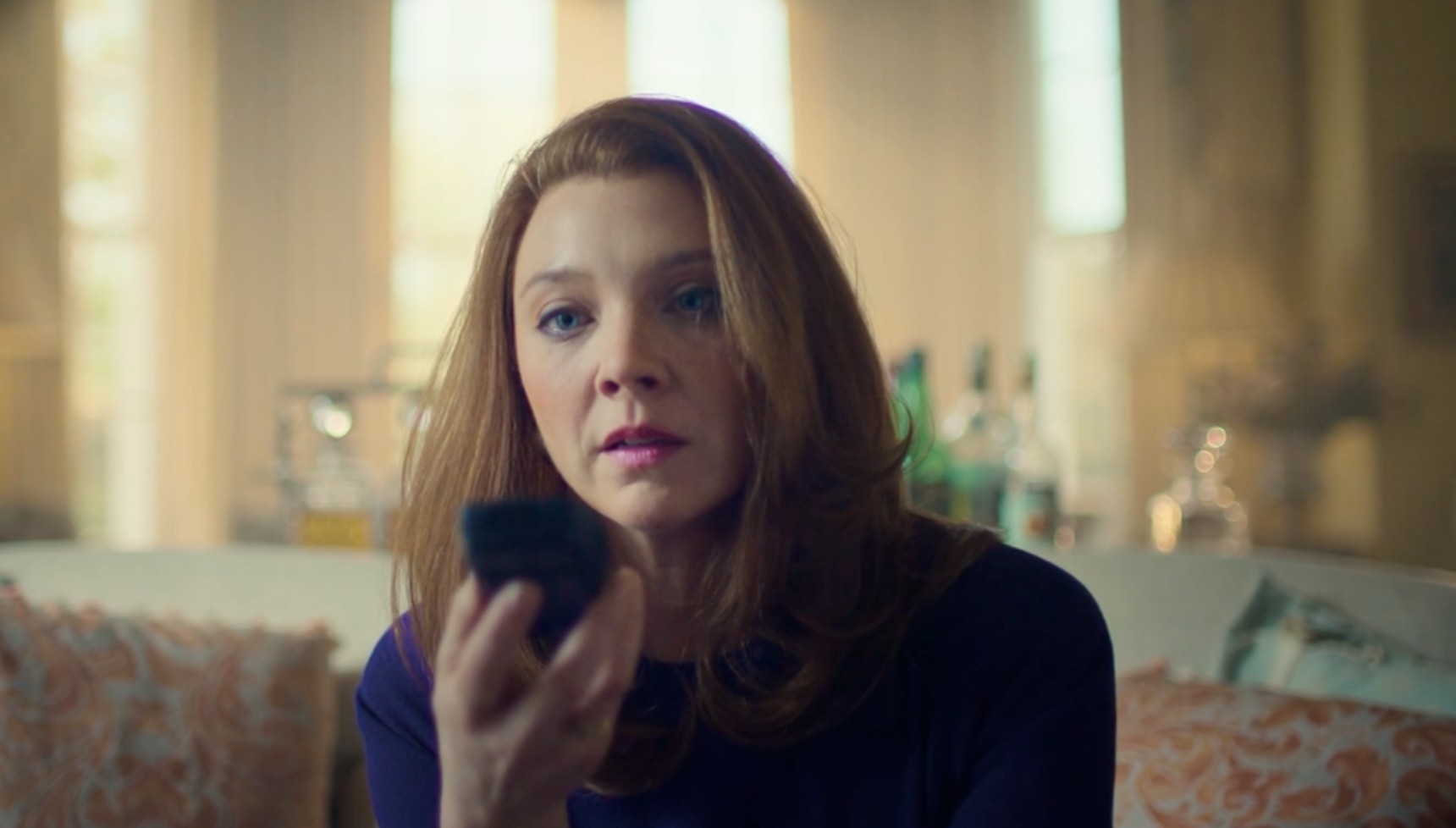
Yes. As shown in the series, police asked Sarah Ferguson to contact Andrews after Cressman’s death.
“You must come forward and help the police,” she reportedly told her.
Ferguson also gave a statement during the investigation, though it was not cited at trial. She has not publicly commented on Andrews since the conviction.
Jane Andrews’ allegations against Tom Cressman
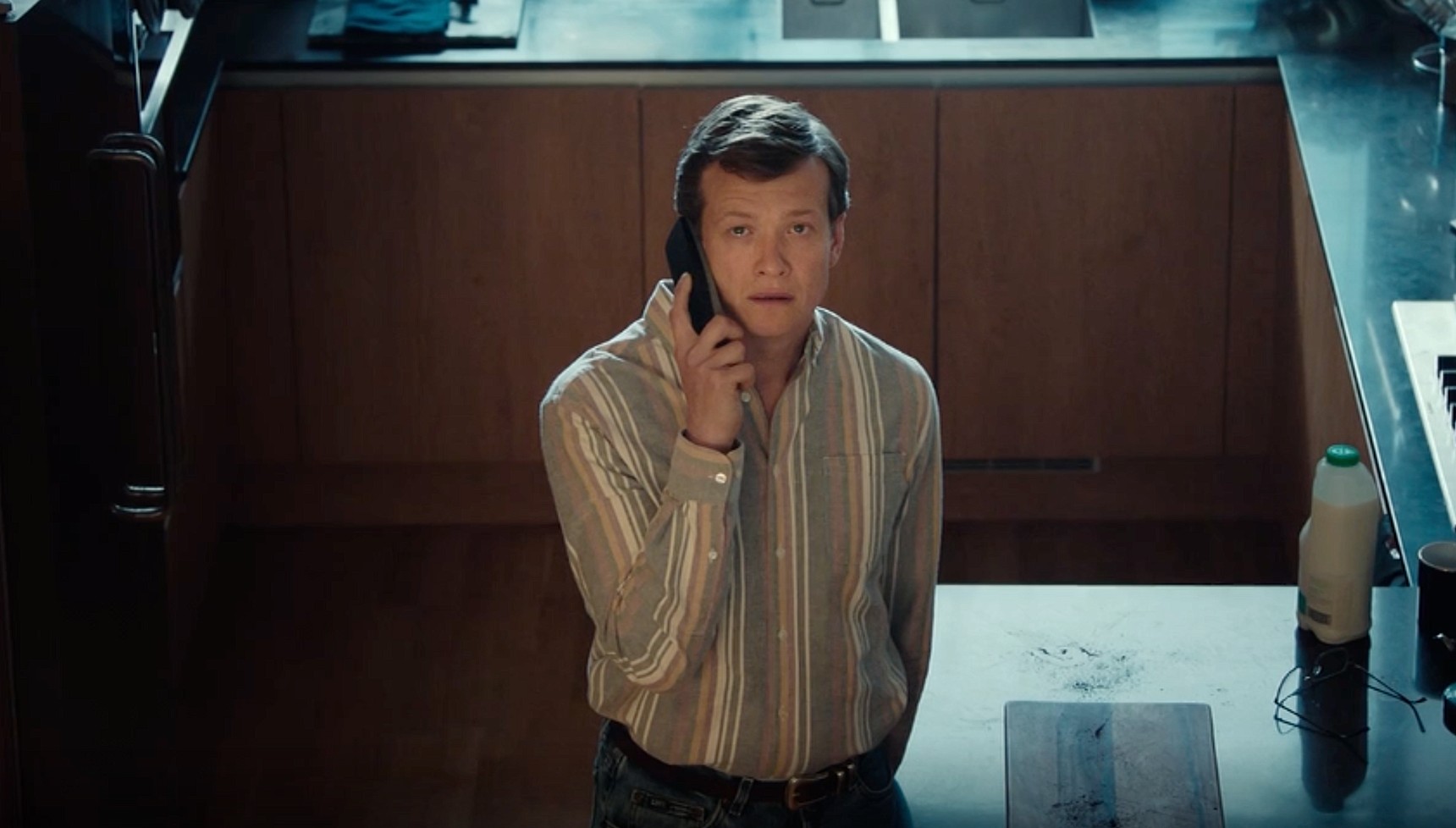
In The Lady, Andrews accuses Cressman of physical and sexual abuse, including rape on the morning of the killing.
She describes him as “relatively adventurous” in the bedroom, claims he tied her to the bed, hit her, pushed her down the stairs, and forced himself on her.
In court, she argues she acted in panic and self-defence.
What did she say in real life?
In her real trial, Andrews made the same allegations. She described Cressman as “jealous, possessive and abusive with a violent temper”.
Shortly before his death, she claimed he told her: “I’m really going to hurt you and nobody will believe you” (via The Guardian).
However, none of her claims were proven. Former partners of Cressman have publicly defended him.
Jim Dickie, the former detective superintendent who led the inquiry, said (via BGP): “She murdered him in real life, and then attempted to murder him in death by trying to ruin his reputation.”
Cressman’s father, Harry, added (as reported by BBC News): “I understand that anybody who is behind bars will do anything to get out of that position, but… what she did to try to ruin our son’s reputation… is totally despicable.”
How accurate is The Lady’s ending?
Broadly, the trial is depicted accurately – especially Andrews’ testimony and cross-examination.
However, there are fictional elements. Aleksandra (played by Ophelia Lovibond) isn’t a real person. The show’s disclaimer states that some characters and events have been created or merged.
The prison “HM Holcombe” also doesn’t exist. Andrews was actually sent to HM Prison Bullwood Hall in Essex before being moved to East Sutton Park Prison in Kent.
The scene where she collapses in court and is hospitalised appears to be fictional as well.
Does Jane Andrews have borderline personality disorder?
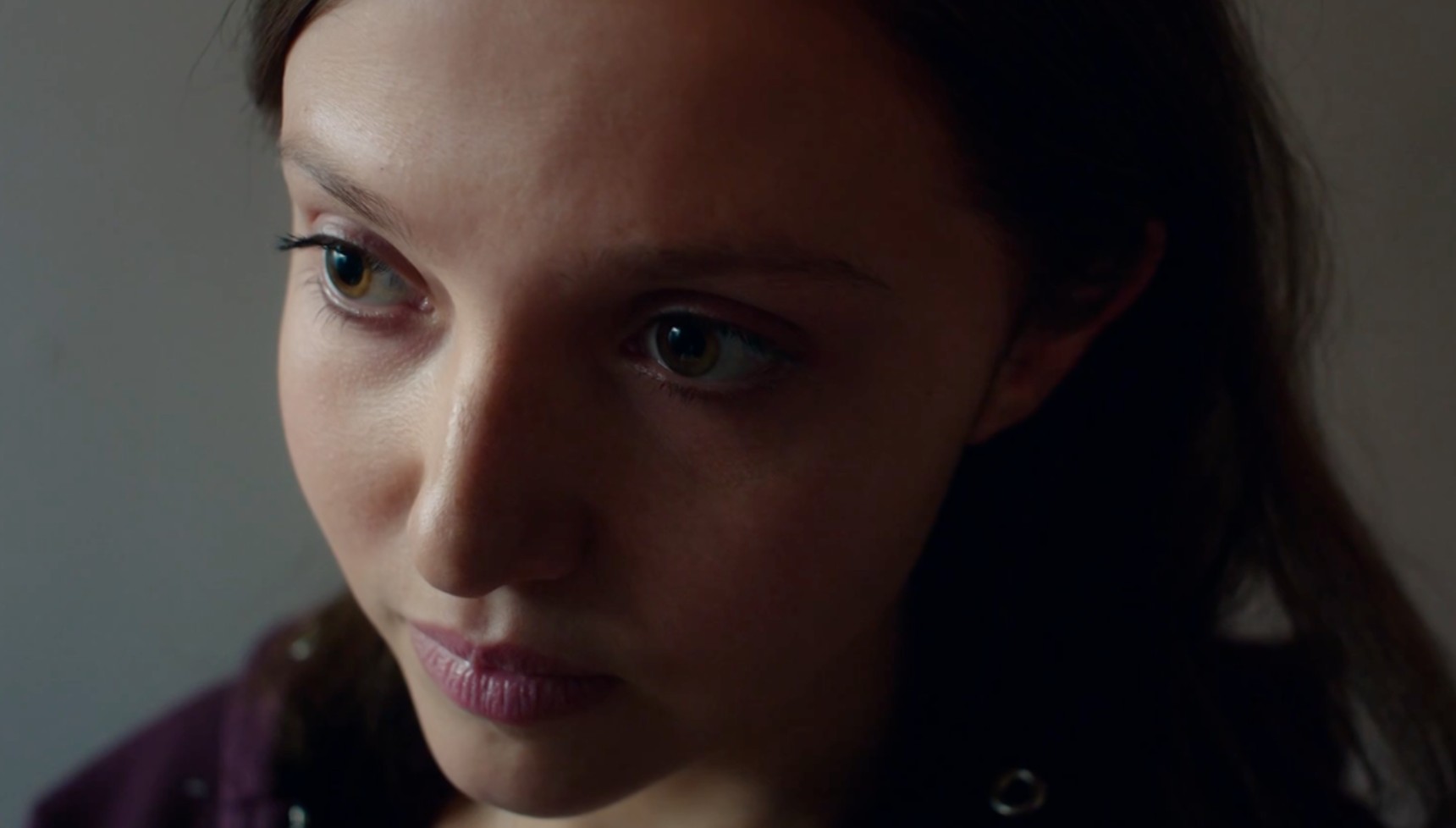
In the drama, a psychotherapist suggests Andrews may have borderline personality disorder (BPD) and depression.
According to the Centre for Women’s Justice, two psychiatrists assessed her.
“Dr Fiona Mason concluded, that at the time of the offence, she was suffering from a depressive illness and post traumatic symptomology superimposed on her already abnormal personality structure,” its press briefing reads.
She was diagnosed with borderline personality disorder after conviction, but this did not overturn her sentence.
Who is the ‘King of the Wing’?
The final mystery: the “King of the Wing”.
In the closing moments, Andrews tells her mother she has a new penpal. A newspaper clipping shows a man with the surname “Affcott”, described as the “King of the Wing”.
There is no public record of Andrews corresponding with anyone by that name. The meaning of the nickname is unclear.
Jane Andrews’ real penpal
What is known is that she had a real penpal: Mark Ellson.
Ellson, who had been jailed for fraud, began writing to Andrews while both were in prison. He later told the Daily Mail she “latched onto” him and became obsessive (via The Mirror).
When he failed to meet her in 2009, she absconded from open prison and was found three days later. He cut contact, but she reportedly continued writing.
Read more: What is Jane Andrews doing now? Fergie’s ex-dresser’s ‘quiet life’ after murder conviction
The Lady is available to stream on ITVX now.
Leave us a comment on our Facebook page @EntertainmentDailyFix and let us know if you’ll be watching tonight?