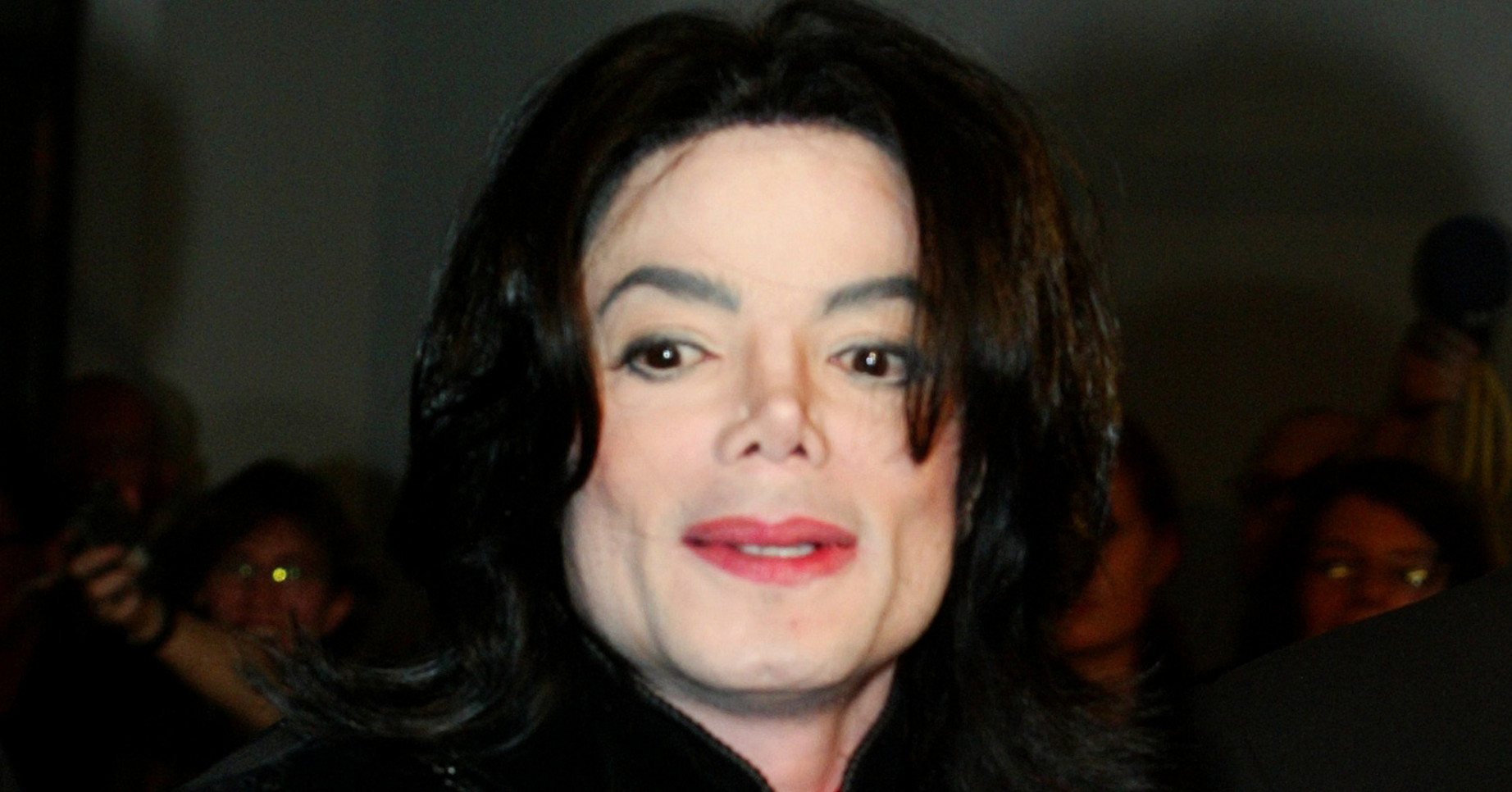

Michael Jackson’s death still grips fans 17 years on, and the details of his final hours remain deeply unsettling. The singer died on June 25, 2009, aged 50, just weeks before his planned This Is It comeback concerts.
He suffered cardiac arrest at the Holmby Hills mansion he rented in Los Angeles (he had moved away from Neverland at this time). His sudden death stunned the music world and sparked grief across the globe.
Jackson had spent the months before his death preparing for a major return to the stage. At the same time, he was battling severe insomnia.
What really happened before Michael Jackson’s death?
Jackson had been rehearsing for This Is It after an eight-year gap in releasing new music. He finished his final rehearsal around midnight at what is now Crypto.com Arena, formerly the Staples Center.
He returned home at about 1 a.m.
Dr. Conrad Murray then tried to help him sleep in a private room.
As per People, Murray had treated Jackson on and off since 2006. He had also visited the home daily over a two-month period.
Murray later told LAPD detectives that Jackson had asked for Propofol. The anaesthetic is usually used in hospital settings. Murray claimed the star had previously used the drug with other doctors.
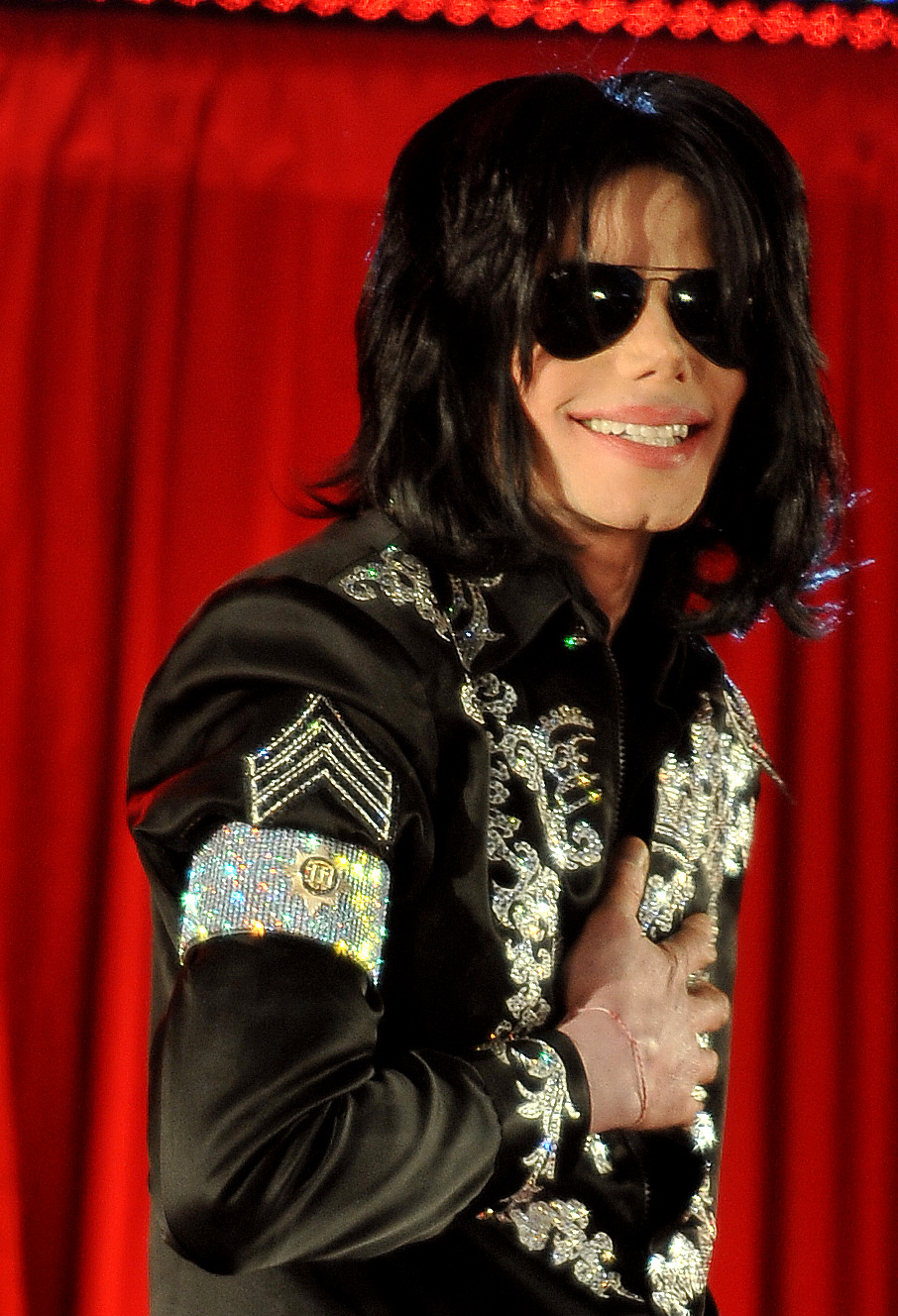
Murray said he had withheld Propofol for the previous two nights. He said he wanted to wean Jackson off it.
Instead, Murray told detectives he gave Jackson Valium, Lorazepam and Midazolam in the early hours of June 25. But by 10 a.m., Jackson was still, in Murray’s words, “wide awake”.
Murray then said he gave him 25mg of Propofol. He claimed that was around half of the amount Jackson would usually receive.
The final plea in Michael Jackson’s death still sends chills
Jackson reportedly fell asleep at about 10:40 a.m. Murray then left the room and went to the bathroom.
When he returned, Jackson was no longer breathing. Murray told detectives he had stepped away only briefly.
However, phone records later raised serious questions. Records showed calls between 11:07 and 11:51.
Staff member and security guard Alberto Alvarez called 911 at 12:21 p.m. Murray claimed he began CPR and mouth-to-mouth resuscitation straight away.
He also said he gave an “antidote” in an attempt to reverse the effects of some of the drugs in Jackson’s system. Alvarez later alleged that Murray hid medications before emergency services were contacted.
One of the most haunting details came from Murray’s account of Jackson’s final words. According to detectives, Jackson referred to Propofol as “milk”.
Murray claimed Jackson pleaded: “I’d like to have some milk,” before adding, “Please, please give me some.”
Why the aftermath sparked so many questions
Paramedics worked on Jackson for 42 minutes. They then took him to Ronald Reagan UCLA Medical Center.
Doctors could not save him. They later pronounced him dead.
After Michael Jackson’s death, the Los Angeles County Coroner ruled that he died from acute Propofol intoxication. Reports also said other drugs were found in his system, including Lorazepam, Midazolam, Diazepam, Lidocaine and Ephedrine.
The coroner ruled his death a homicide. Attention then turned quickly to Murray.
Prosecutors said he “repeatedly acted with gross negligence, repeatedly denied care, appropriate care, to his patient, Michael Jackson, and it was Dr. Murray’s repeated incompetent and unskilled acts that led to Michael Jackson’s death.”
Murray denied wrongdoing. A court later convicted him of involuntary manslaughter.
He received a four-year prison sentence. He was later released after serving two years.
The public reaction was immediate and enormous. Fans around the world searched for answers and held memorial gatherings from Los Angeles to New York.
The news also drove a huge surge in sales of Jackson’s music and memorabilia.
Leave us a comment on our Facebook page @EntertainmentDailyFix and let us know what you think?