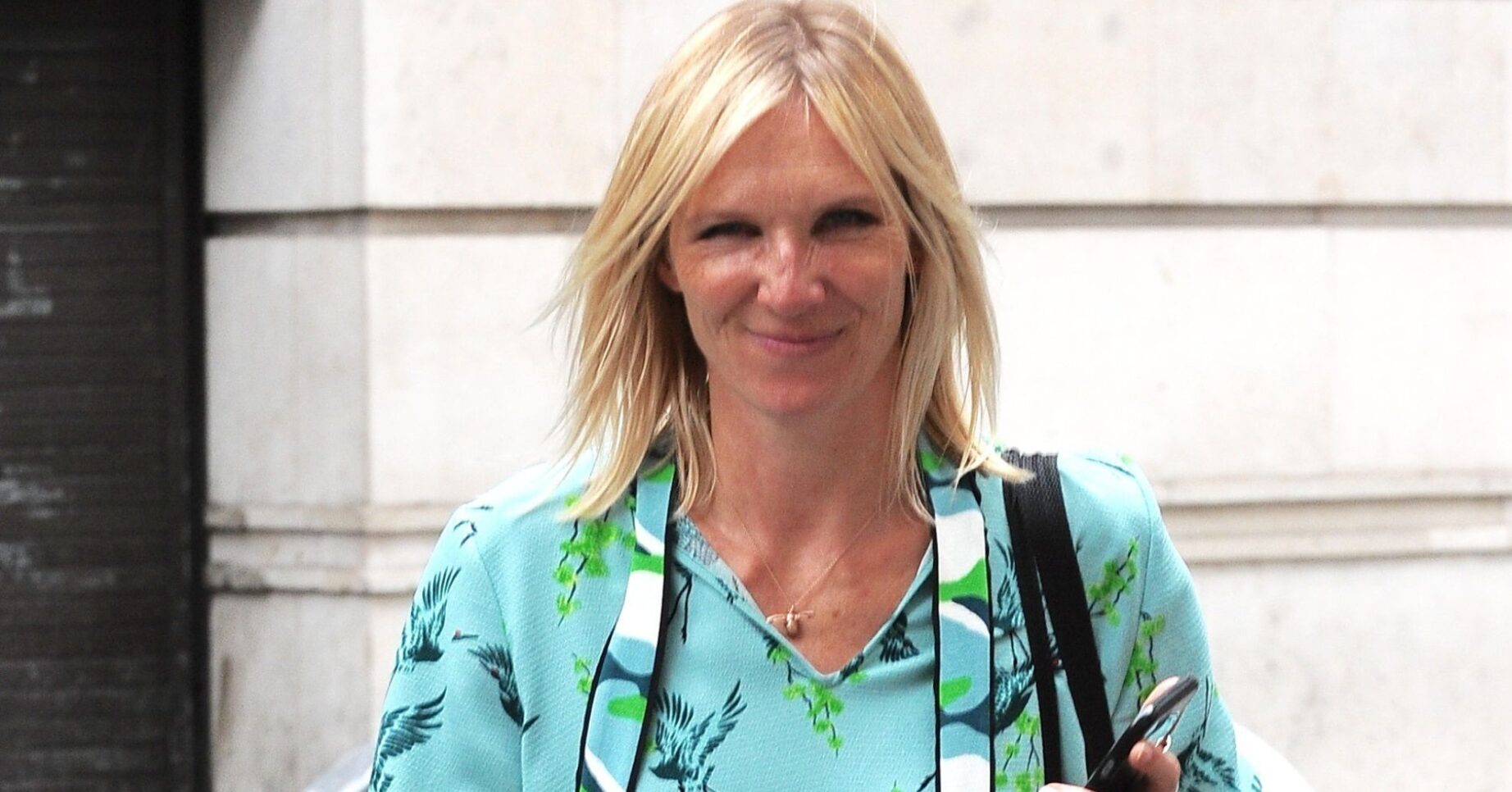

BBC Radio 2 presenter Jo Whiley shared a candid update on her family’s struggles as she admitted it took a toll on her physical appearance.
The broadcaster, 61, said she has been “just trying to get through each day” while supporting her parents and sister.
In the September issue of Woman & Home, Jo said recent months have been difficult. She also said things are now “better than they were.”
She continues to juggle her Radio 2 show and two podcasts. Away from work, family health issues have shaped daily life.
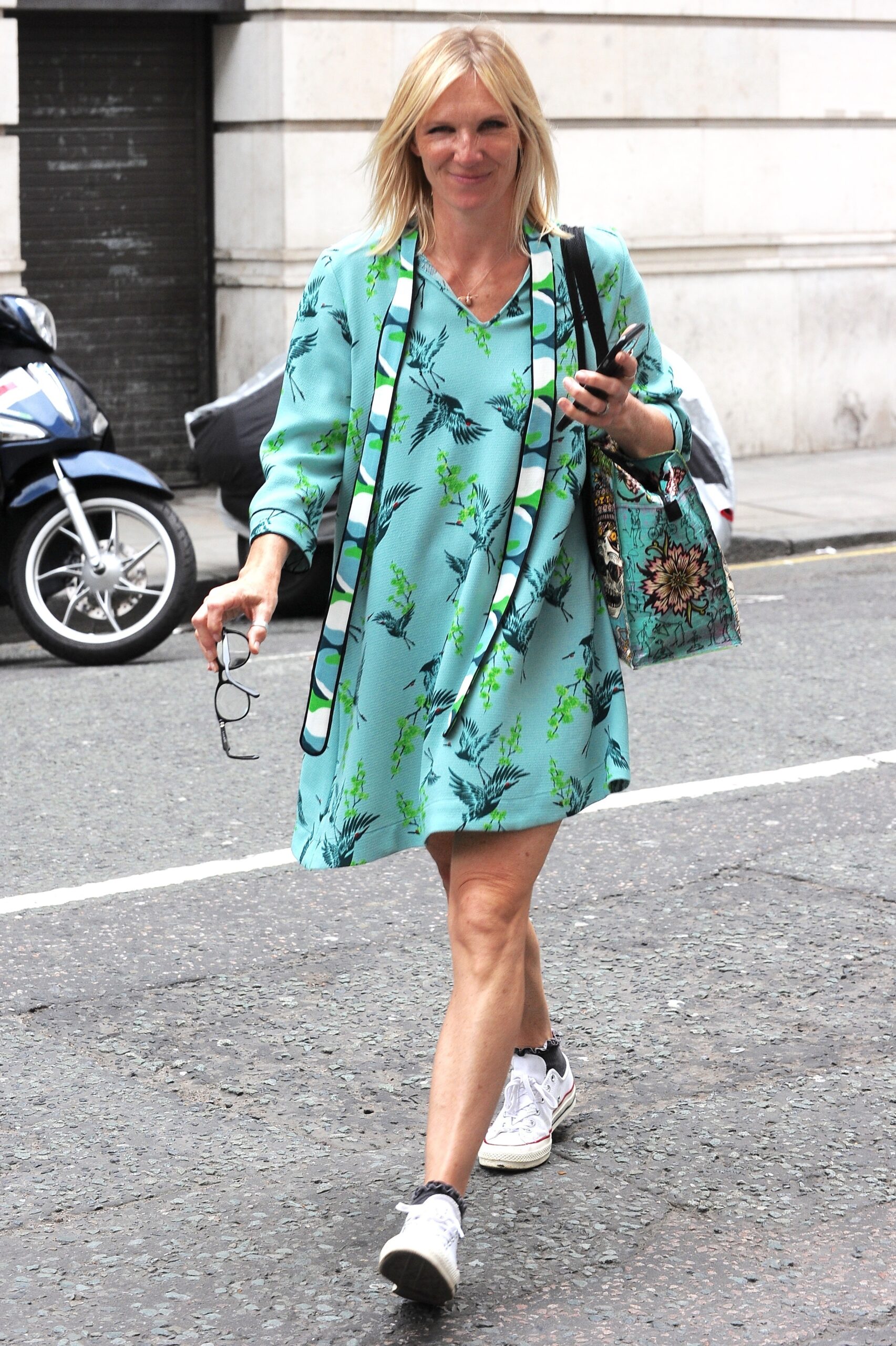
Jo Whiley opens up about family health struggles
Jo said her mother had a back operation over Christmas. She also said her father is living with Parkinson’s.
She said: “My mum had a back operation over Christmas, and for a long time, all I was doing was going to the hospital and sitting with Mum and Dad. That became my whole world.
“Dad has Parkinson’s, and it was just about getting through each day and being there for them.”
Jo also spoke about her sister Frances, who has cri du chat syndrome, a rare genetic disorder. She said it matters to discuss the practical reality of having a sibling with learning disabilities.
Frances Whiley is Jo Whiley’s older sister. She has cri du chat syndrome, a rare genetic condition caused by a missing piece of chromosome 5.
Jo Whiley has spoken publicly for years about Frances and about the realities of long-term family care. In 2021, Jo appeared with Frances on Celebrity Gogglebox and later fronted the documentary Jo Whiley: Life at 50, which included family life and caring responsibilities.
Jo has also supported campaigns linked to disability, social care and inclusion, and has discussed how Frances has shaped her family life from childhood into adulthood.
She reflected on a podcast episode she recorded over the festive period. Jo said it was “really hard” to speak openly about caring for her ageing parents and supporting Frances.
Jo added: “Talking about the practical level of having a sibling with learning disabilities is really important too.
“My parents listened to my podcast when I talked about what a nightmare Christmas was, so I got a warning from them about sharing too much, and I have to respect that.
“I also got told off by my mum for swearing, and that was a learning curve!”
‘I wasn’t looking after myself in the way I normally would’
Jo said the pressure pushed her into “crisis mode.” Exercise and time with friends were the first things to go.
That change hit her quickly. She said she saw it when she looked in the mirror.
Jo said: “When life got busy, exercise and seeing my friends were the first things to go.
“What really surprised me was how quickly my body changed when I didn’t have time to exercise, I wasn’t looking after myself in the way I normally would.
“I could see myself losing muscle tone and I remember looking in the mirror and thinking, ‘Whose body is this? I don’t recognise it.’ That really shocked me.
“When you’re in crisis mode, you stop noticing those things because all your energy is focused somewhere else. Self-care is so important. Friends say that exercise keeps them sane, and I agree.
Parkinson’s disease is a progressive neurological condition that affects how the brain controls movement. Symptoms can include tremor, stiffness, slowness of movement, balance problems, sleep disturbance and changes in speech or mood.
Symptoms usually develop gradually and can vary from person to person. Treatment may include medication, physiotherapy, occupational therapy and speech and language therapy.
There is currently no cure, but treatment and support can help manage symptoms and daily living.
“For me, it isn’t about how you look, it’s about feeling like yourself again, those endorphins flowing, and having a little bit of time that’s just for you.
“I did a half marathon recently, which was stupid when I hadn’t trained, but it made me realise how much I hate not exercising and what an unhappy person it makes me.
“Now I’m back doing weights and swimming, and it helps my head so much.”
Jo Whiley’s health concerns also shaped how she views bigger life advice. She rejected the idea of manifestation during serious illness.
She said: “You work hard, and you try to create opportunities for yourself.
“We went through a couple of really difficult situations and people kept saying, “You need to manifest the outcome you want.”
“I remember thinking, ‘Actually, this is about medical science, not manifesting.’ Sometimes terrible things happen, and life is hard. What worries me is that manifestation can leave people feeling as if they’ve somehow failed.”