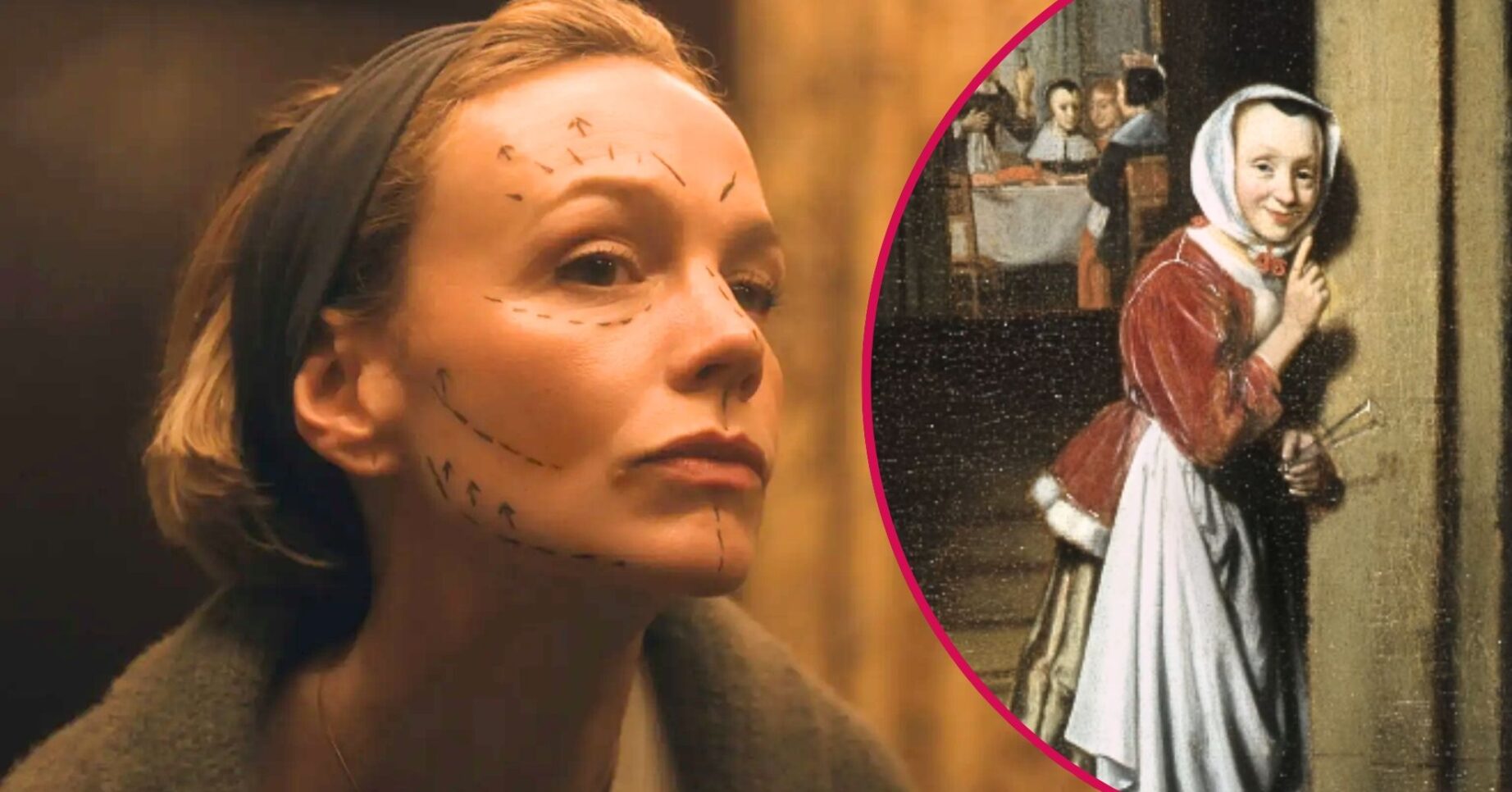

Beef season 2 may not share any cast or story links with the first season, but it does keep one of the show’s smartest touches: episode titles and artwork loaded with symbolism.
Season 1 followed two road-ragers in Los Angeles. Its first episode, ‘The Birds Don’t Sing, They Screech in Pain’, nodded to Werner Herzog and hinted at just how much its characters were really suffering beneath the chaos.
Beef season 2 tells a completely different story. This time, it centres on Ashley (Cailee Spaeny) and Austin (Charles Melton), two low-level employees at a luxury country club who get pulled into a spiralling feud with their boss, Josh (Oscar Isaac), and his wife, Lindsay (Carey Mulligan).
The themes may be different, but the structure is familiar. Each episode opens with a carefully chosen painting and title, both pointing to what’s really going on underneath the surface.
***Warning: spoilers for Beef season 2 ahead***
Episode 1
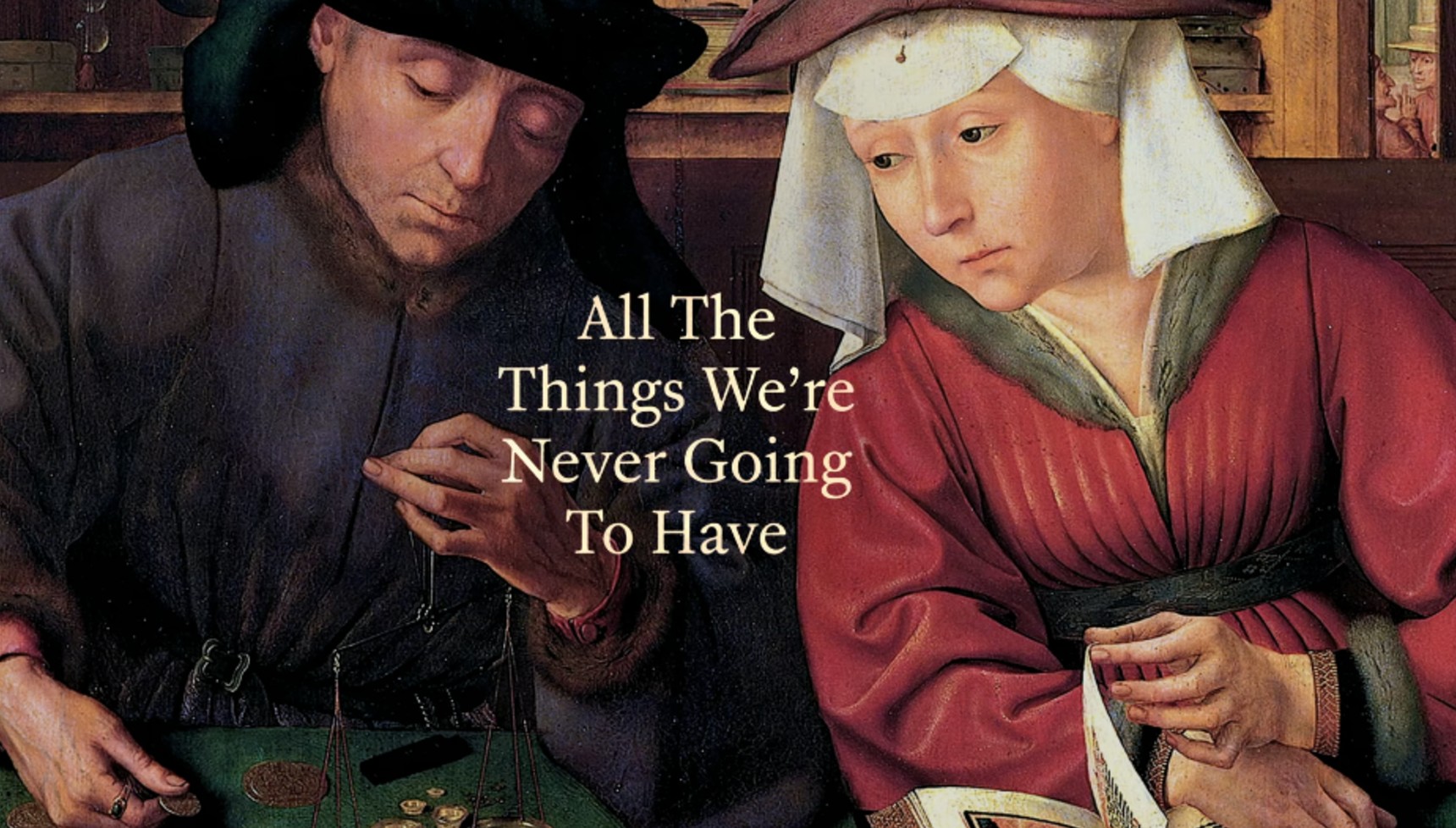
- Title: ‘All The Things We’re Never Going To Have’ (Esther Perel)
- Artwork: The Money Lender and His Wife by Quentin Matsys, 1514
The title comes from Esther Perel, specifically from Mating in Captivity: Unlocking Erotic Intelligence. It forms part of a wider passage about how marriage begins with the dream of oneness, only for couples to become consumed by everything they feel they’re missing.
That idea is all over Beef season 2’s opener. Josh and Lindsay’s fight is rooted in dissatisfaction and a lack of shared direction. She wants to build something of her own, while he’s fixated on work and control.
Ashley and Austin, meanwhile, are positioned as their younger mirror image. They still believe they’re different, still pretending there are no cracks to worry about.
The full painting adds another layer. It shows a man focused on coins and jewels while his wife’s attention drifts from a book, likely a religious text. The symbolism is hard to miss: material wealth pulling people away from something deeper.
Episode 2
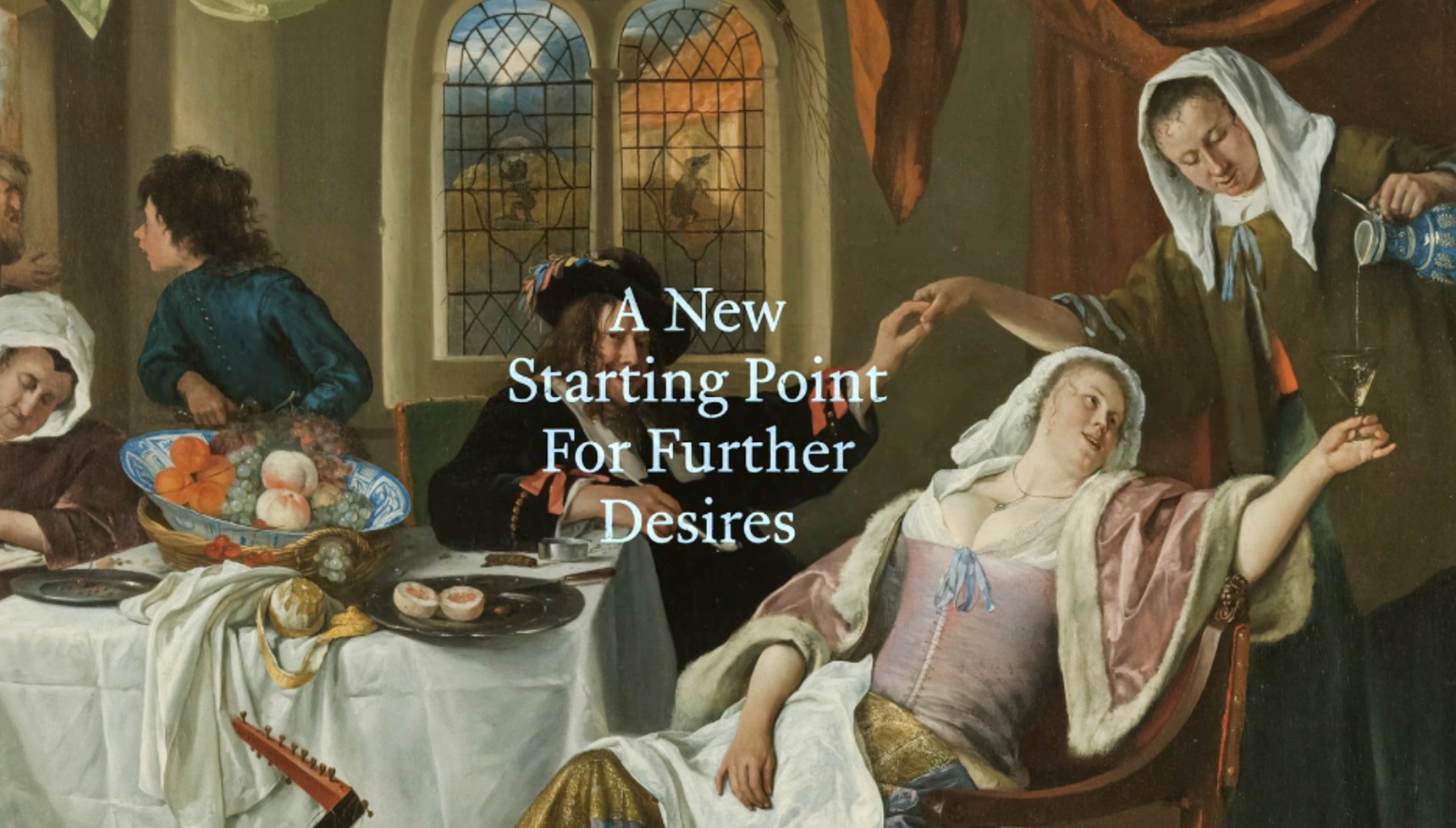
- Title: ‘A New Starting Point For Further Desires’ (Marcel Proust)
- Artwork: The Dissolute Household by Jan Steen, c. 1663–1664
Episode 2 sees Ashley successfully blackmail Josh into giving her a promotion, while Josh and Lindsay agree to start embezzling from the club because, as they see it, everyone else is “scamming” too.
The title comes from Marcel Proust, and it’s as bleak as it sounds. The fuller idea is that love never brings peace because whatever you gain simply becomes the starting point for wanting something else.
That tracks perfectly with both couples. None of them are satisfied. They want more money, more power, more validation, and once they get a taste of it, they want even more.
The painting reinforces that moral decay. The Dissolute Household is all disorder and indulgence, a home slowly collapsing under its own lack of discipline. It fits the episode’s view of desire as something slippery and self-destructive.
Episode 3
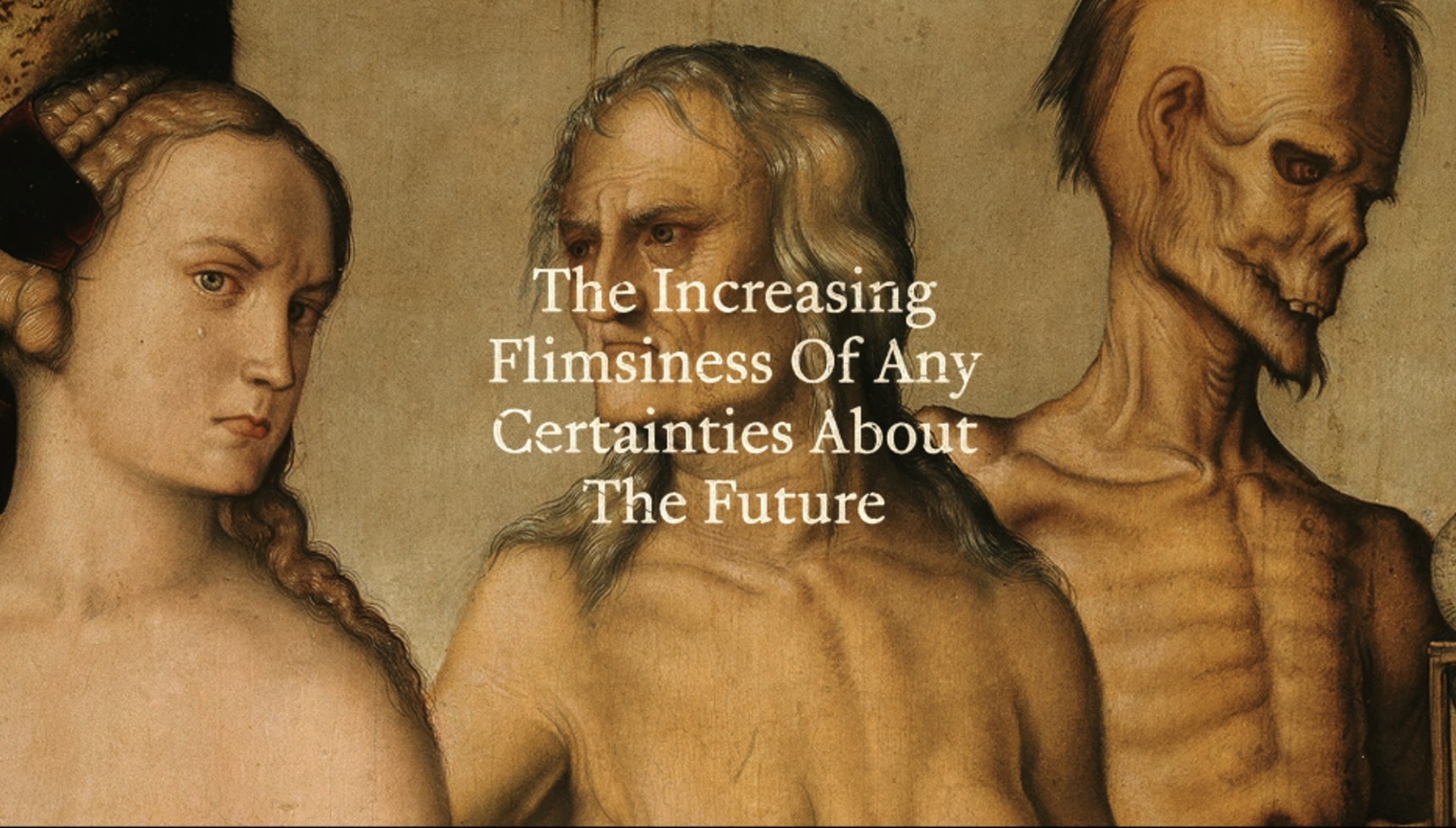
- Title: ‘The Increasing Flimsiness Of Any Certainties About The Future’ (Lynne Segal)
- Artwork: The Ages of Woman and Death by Hans Baldung Grien, c. 1541–1544
This one is one of the most direct pairings of title and story.
Josh’s future becomes more precarious as Chairwoman Park extends his contract only under strict, threatening conditions. Ashley, meanwhile, panics at the thought of Austin leaving her and literally throws herself out of the car.
The full painting is just as blunt. It shows a baby, two women, and Death holding an hourglass. Time is running out, mortality is unavoidable, and stability is an illusion. That atmosphere hangs over the whole episode, especially once Dr Kim kills a patient.
Episode 4
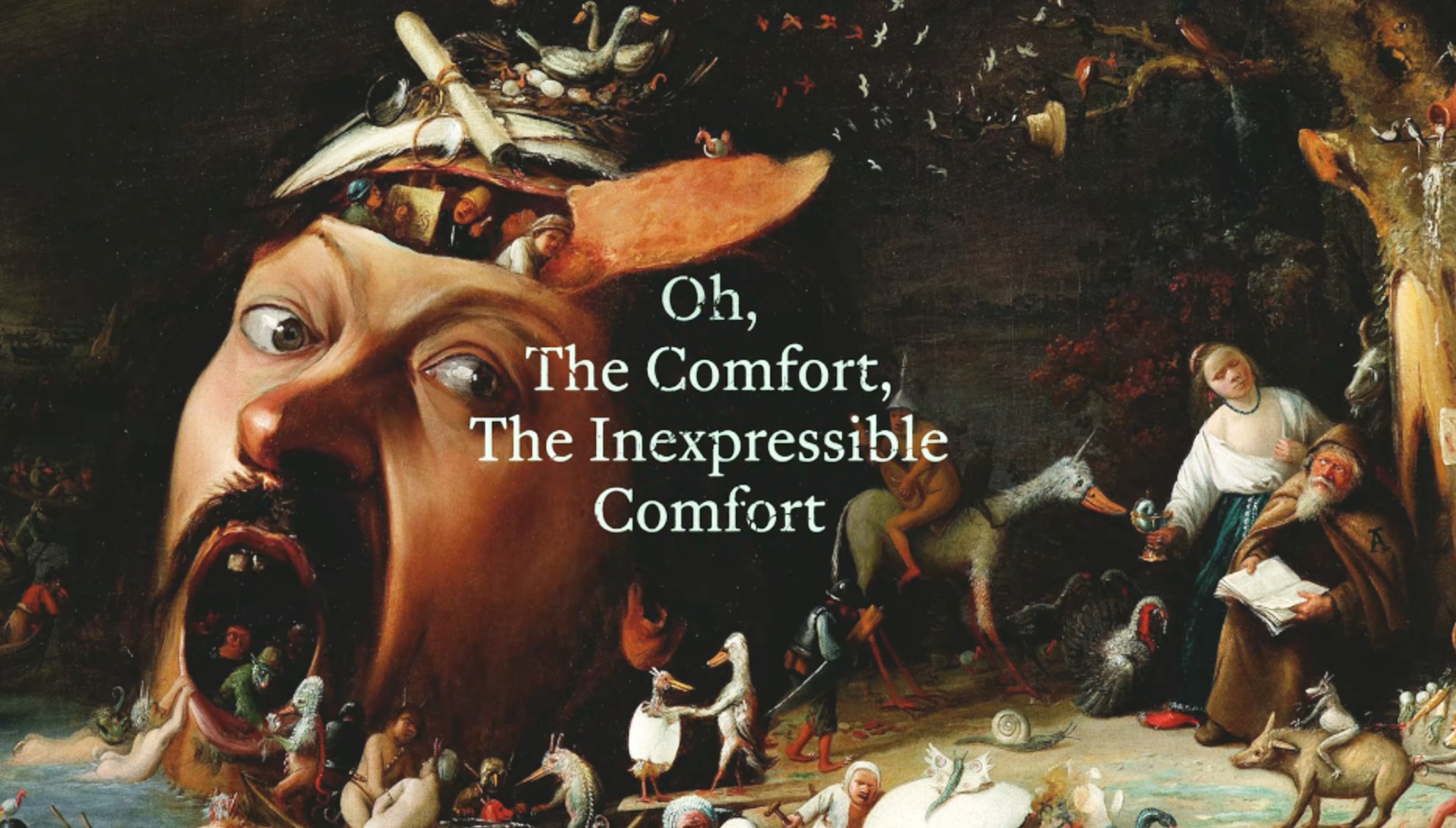
- Title: ‘Oh, The Comfort, The Inexpressible Comfort’ (Dinah Maria Mulock Craik)
- Artwork: The Temptation of Saint Anthony by Joos van Craesbeeck, 1650
The quote speaks about the relief of being completely safe with another person, able to pour everything out without fear of judgment.
That comfort is exactly what neither couple has.
Ashley measures every word around Austin and starts secretly texting Eunice behind his back. Josh and Lindsay are no better. The intimacy the quote celebrates is the very thing missing from the episode.
The painting is one of the season’s creepiest. It shows a grotesque head with a gaping mouth, with evil spirits spilling out. The most obvious reading is temptation, corruption, and ugly thoughts taking over. That fits Ashley especially well as the episode ends and her insecurities start driving her behaviour.
Episode 5
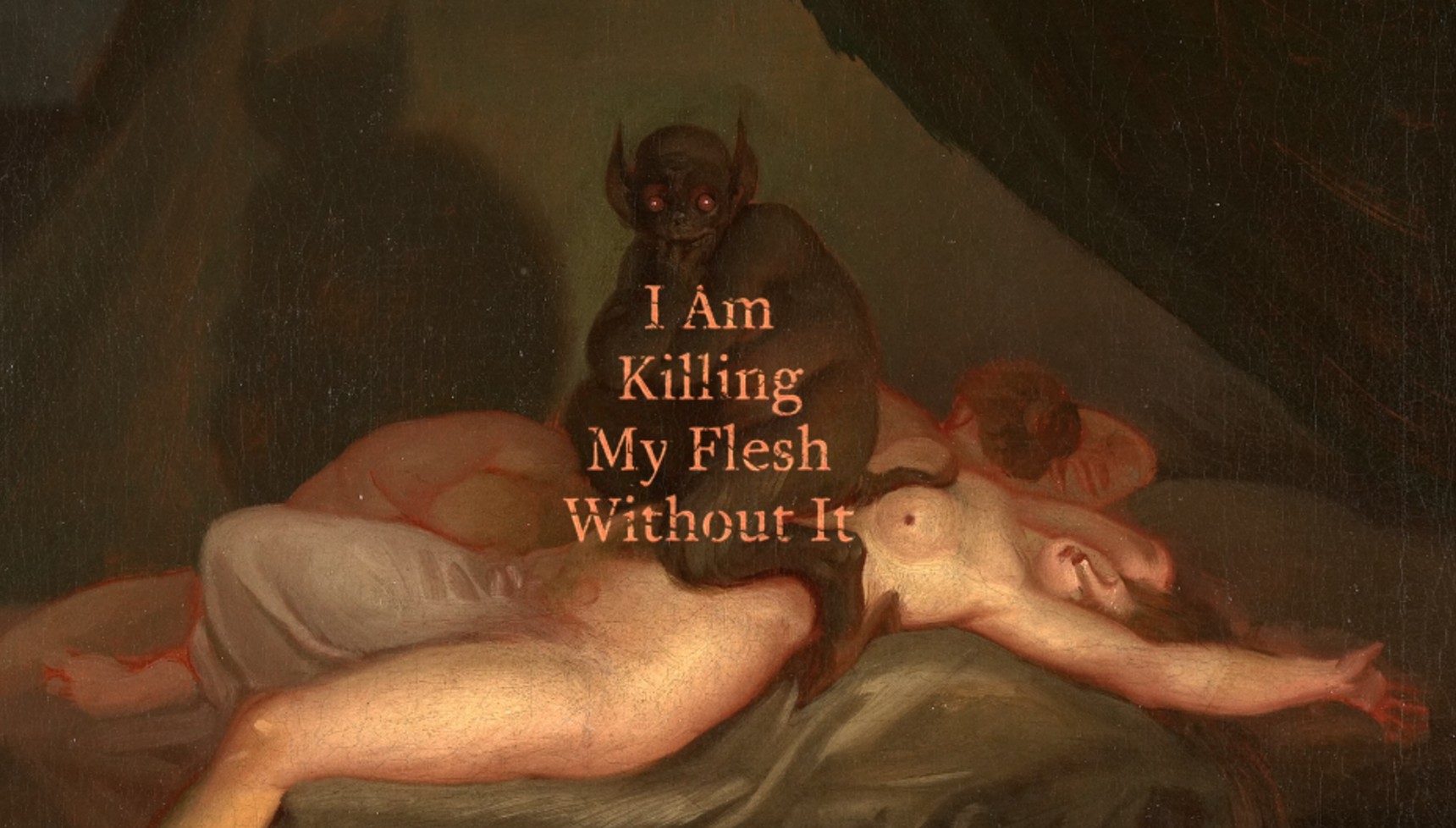
- Title: ‘I Am Killing My Flesh Without It’ (Sylvia Plath)
- Artwork: Nightmare by Nicolai Abraham Abildgaard, 1800
This title comes from Sylvia Plath’s journals and taps into one of season 2’s central ideas: emotional dependence turning toxic.
Both couples are stuck in versions of the same trap. Their lives are so tightly bound together that every wound creates another one.
That’s why Lindsay telling Josh she wants a divorce lands the way it does. It’s not just the end of a marriage, it’s an attempted severing of something that has already done deep damage.
The painting, Nightmare, is exactly as unsettling as the title suggests. A naked couple sleep while a demonic figure crouches over the woman. It feels like vulnerability being invaded, which suits an episode where both Ashley and Lindsay are at their most exposed.
Episode 6
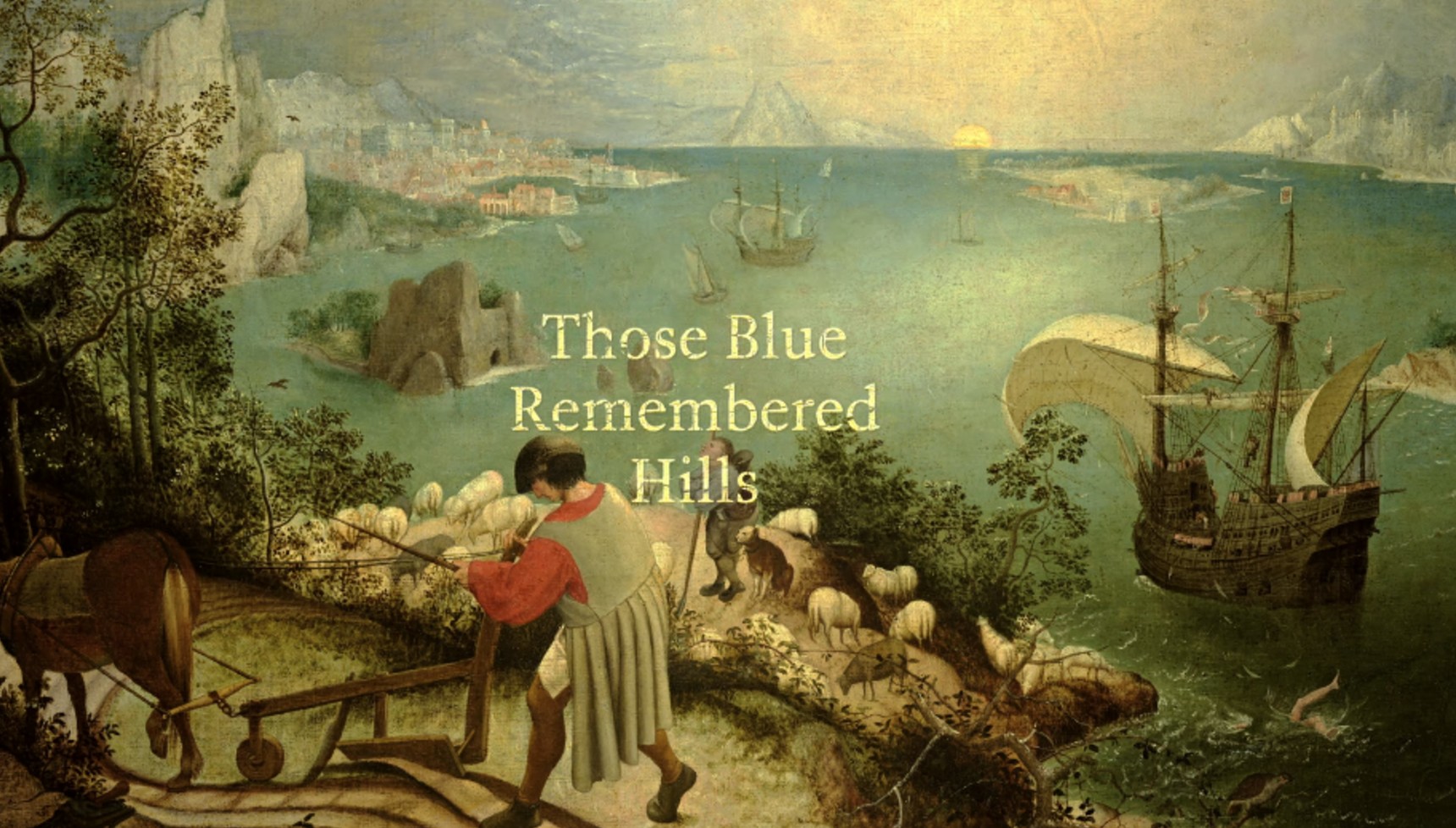
- Title: ‘Those Blue Remembered Hills’ (A.E. Housman)
- Artwork: Landscape with the Fall of Icarus by Pieter Bruegel the Elder, c. 1560
The phrase comes from A.E. Housman’s A Shropshire Lad and points to longing for a lost past that can’t be recovered.
That idea runs through episode 6. Both couples are too damaged, too compromised, too far removed from who they once were to simply rewind things. Even if they want to go back, they can’t.
The painting makes the same point in a different way. It may be about Icarus, but you barely see him. The world carries on while he disappears into it. That’s the point: even dramatic collapses can feel invisible to everyone except the people living through them.
Episode 7
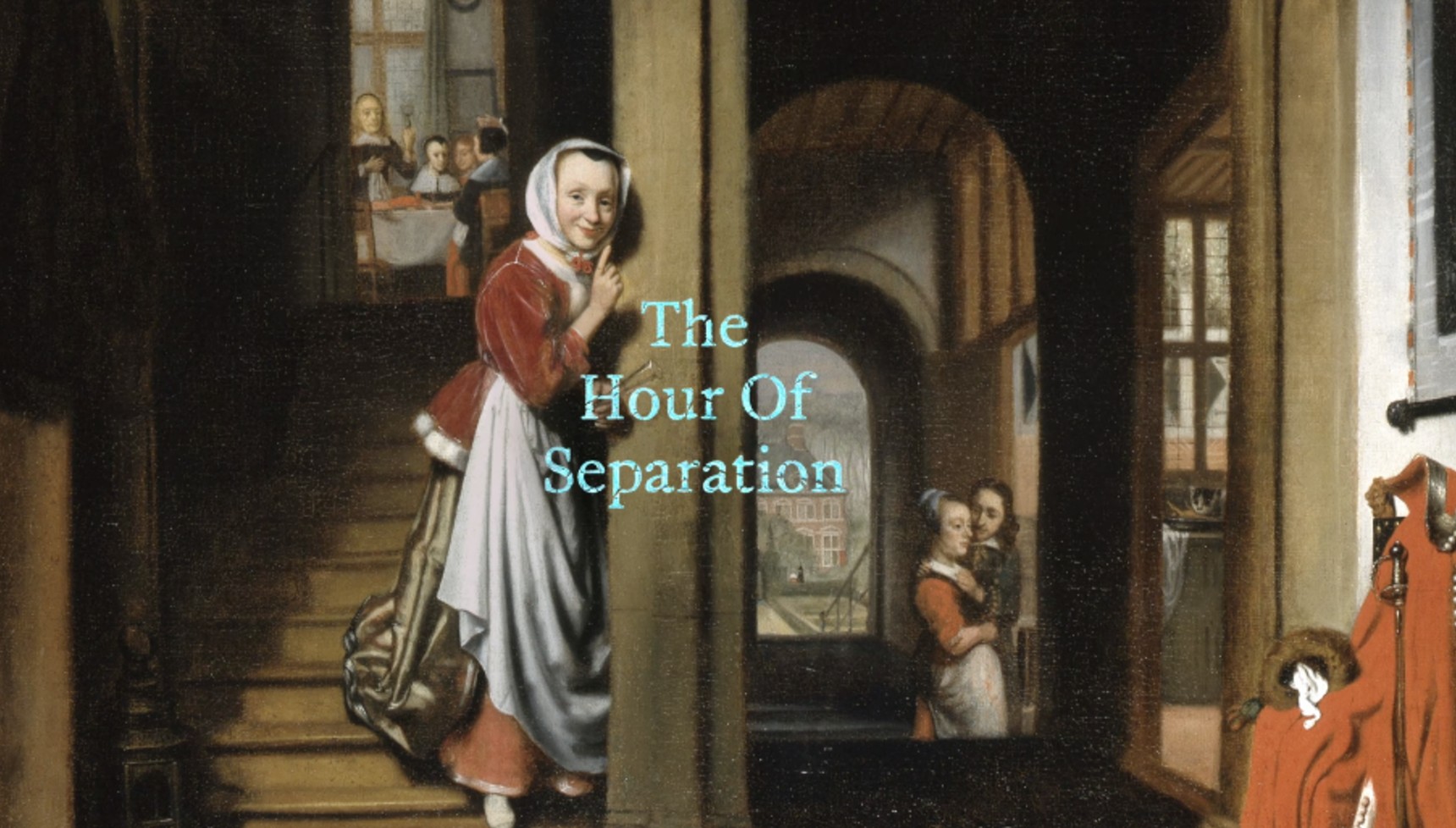
- Title: ‘The Hour Of Separation’ (Kahlil Gibran)
- Artwork: The Eavesdropper by Nicolaes Maes, 1657
Kahlil Gibran’s line is simple and brutal: “Love knows not its own depth until the hour of separation”.
That idea could apply to the whole season, but it lands especially well here and again in the finale, when Lindsay kisses Josh. Sometimes the real feeling only becomes clear when loss is on the table.
The painting is a neat fit too. It shows a woman listening in from the side, and eavesdropping is what kicks off the whole season. Episode 7, set largely on a plane full of tense conversations, plays with the same idea again.
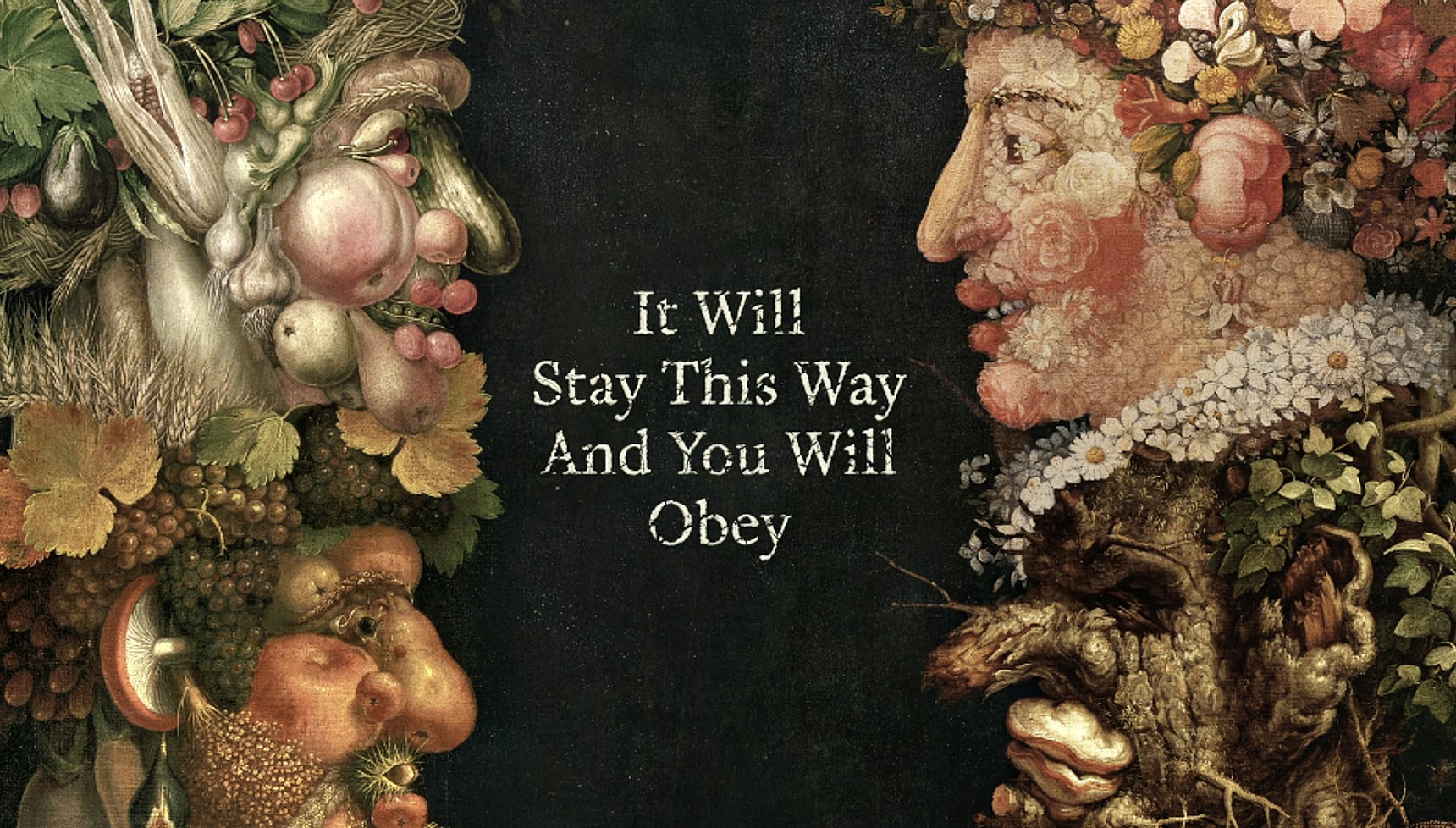
Episode 8
- Title: ‘It Will Stay This Way And You Will Obey’ (Marion Woodman)
- Artwork: The Four Seasons by Giuseppe Arcimbaldo, 1563, 1572, 1573
The final episode’s title is one of the most telling in the whole season.
The line comes from Marion Woodman and speaks to old patterns, old power structures, and the crushing force of simply accepting the world as it is.
That’s exactly where season 2 leaves Ashley and Austin. After briefly imagining a different future, Austin falls back into the life he already knows. It may not be the life he wants, but it’s the one that feels safest. In other words: “It works. It will stay this way. And you will obey.”
This is also the episode where Lee Sung Jin has most clearly explained the symbolism himself.
“At first, the main theme seems to be young love versus older love. But as the episode unfold, we wanted to show that this theme, along with others like class divide and hedonic adaptation, falls under the umbrella of generations. That’s why we lean so heavily into the symbolism of the four seasons,” he told Netflix.
“Each generation starts off thinking that they’ll never become what they see in the older generation. But with the passage of time and the pressures of capitalism, each generation soon discovers why the older generations are the way they are.”
That’s the sting of Beef season 2 in a nutshell. It isn’t just about one relationship going bad. It’s about how people grow into the very lives they once judged.
Read more: The best Netflix series you can stream now
Beef season 2 is available to stream on Netflix now.
Leave us a comment on our Facebook page @EntertainmentDailyFix and let us know what you think?