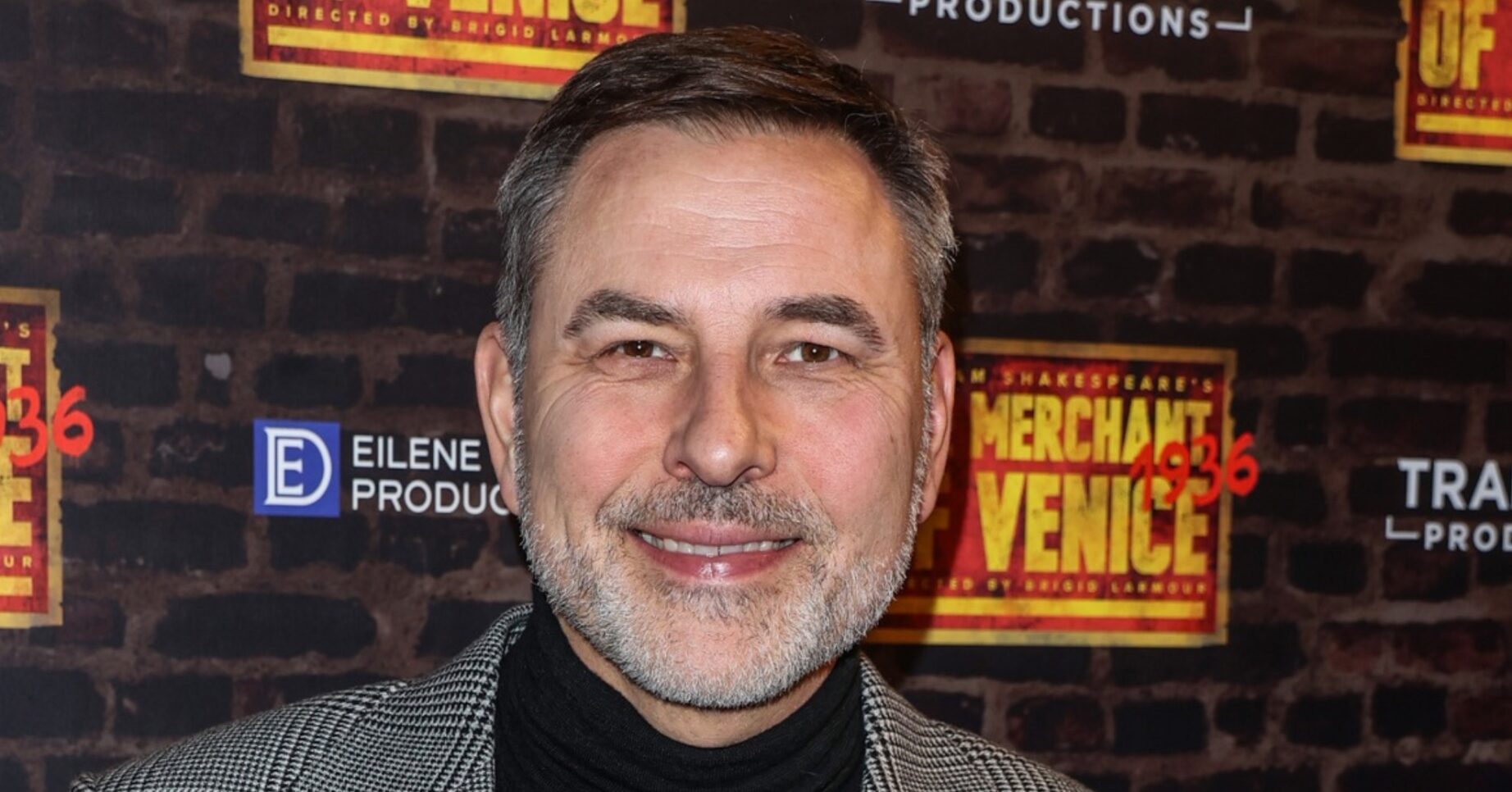

David Walliams has denied allegations of sexual misconduct after losing a High Court attempt to stop their publication.
The Guardian and ITV News published allegations that he used his fame to pursue young women for sex.
David’s barrister, Sara Mansoori KC, warned the court that making the allegations public could lead the comedian to attempt suicide again.
She argued that his right to life under human rights legislation meant the court had a duty to protect him by granting a permanent injunction blocking publication.
However, she accepted that such a ruling would also effectively deny the women involved the opportunity to share their accounts.
Mr Justice Nicklin acknowledged the serious and credible risk that David could take his own life, with the High Court judge also recognising the potentially devastating impact of the circumstances on the comedian’s teenage son, describing the likely consequences for him as “grave”.
The 55-year-old’s lawyers confirmed on Monday (November 9) that he would not appeal the ruling, the paper reported.

David Walliams addresses allegations in personal letter
David, who remains in a psychiatric hospital, set out his position in a personal letter to the journalists behind the investigation.
He wrote: “I am not a sexual predator.”
Elsewhere in the letter, he wrote: “Looking back, I realise that at times I behaved thoughtlessly towards other people I had casual sexual relationships with.”
He denied abusing the power imbalance associated with his fame and said he had not broken the law.
His lawyers separately denied allegations of sexual harassment and inappropriate workplace behaviour.
What women told the David Walliams investigation
The investigation includes accounts from two women who said they first met Walliams when they were 15.
Both are now in their 30s and allege he groomed them. They said the experiences had affected them for almost two decades.
Reporters heard from 30 sources with first-hand accounts of his conduct. They also examined emails, social media messages, contemporaneous notes and newspaper articles.
The allegations include claims that he used his positions at Britain’s Got Talent and HarperCollins to pursue women.
Why David Walliams’ publication bid failed
David’s legal team sought a lifelong injunction, arguing that publication would threaten his life.
The High Court heard that he had been detained under the Mental Health Act before the hearing.
Mr Justice Nicklin accepted there was a genuine and grave risk of suicide. However, he said the investigation “concerns matters of substantial public interest”.
He ruled that the court had no obligation to protect David from acts of self-harm.
The judge noted that the state had already taken significant steps to protect him through inpatient psychiatric treatment.
He also found that preventing publication would seriously interfere with press freedom and stop the women from sharing their experiences.
Britain’s Got Talent companies and HarperCollins issue statements
HarperCollins referred journalists to its December 2025 statement confirming it would publish no new titles by David. The publisher said it took employee wellbeing extremely seriously.
ITV and the production companies behind Britain’s Got Talent provided separate statements saying they knew of no complaints about him.
If you’ve been affected by this story, you can contact Samaritans free, day or night, on 116 123.
Read more: David Walliams hits back at being ‘cancelled’ as he and Matt Lucas plug new show